Concrete is the new gold, rents and real estate prices are rising. At the same time, stores, houses and entire complexes are standing empty. How are vacancies and displacement connected? What are the underlying structures and what does this mean for people?
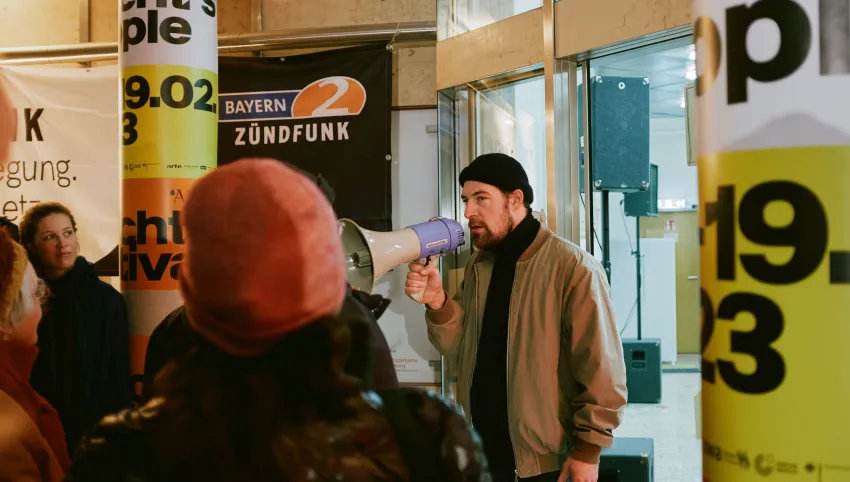
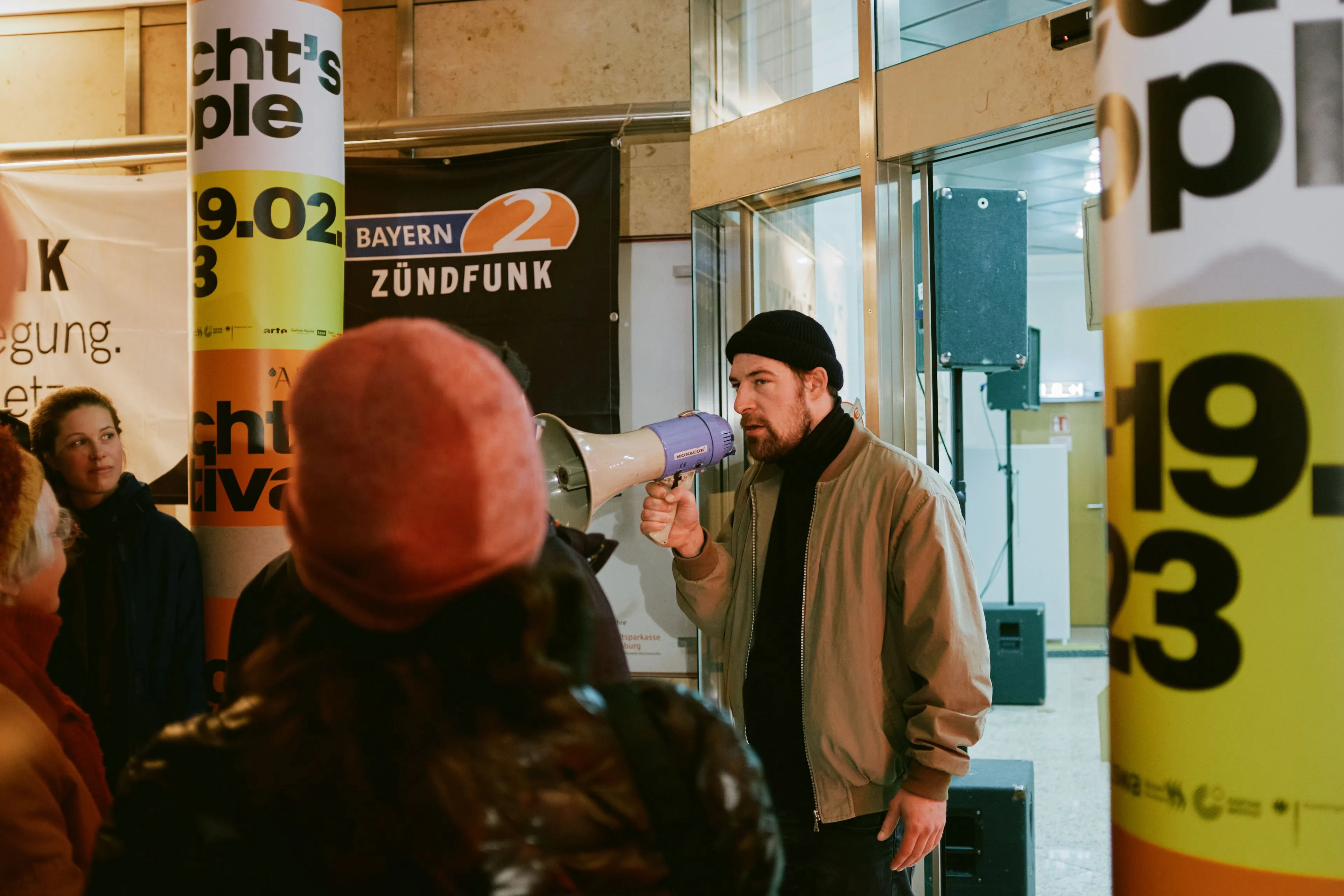
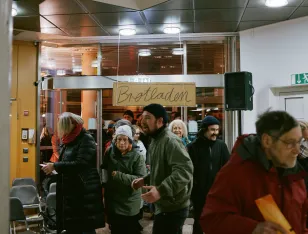
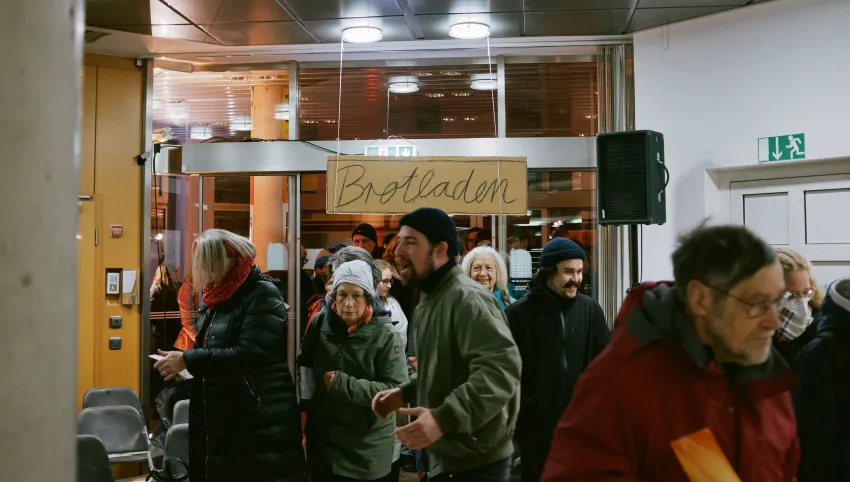
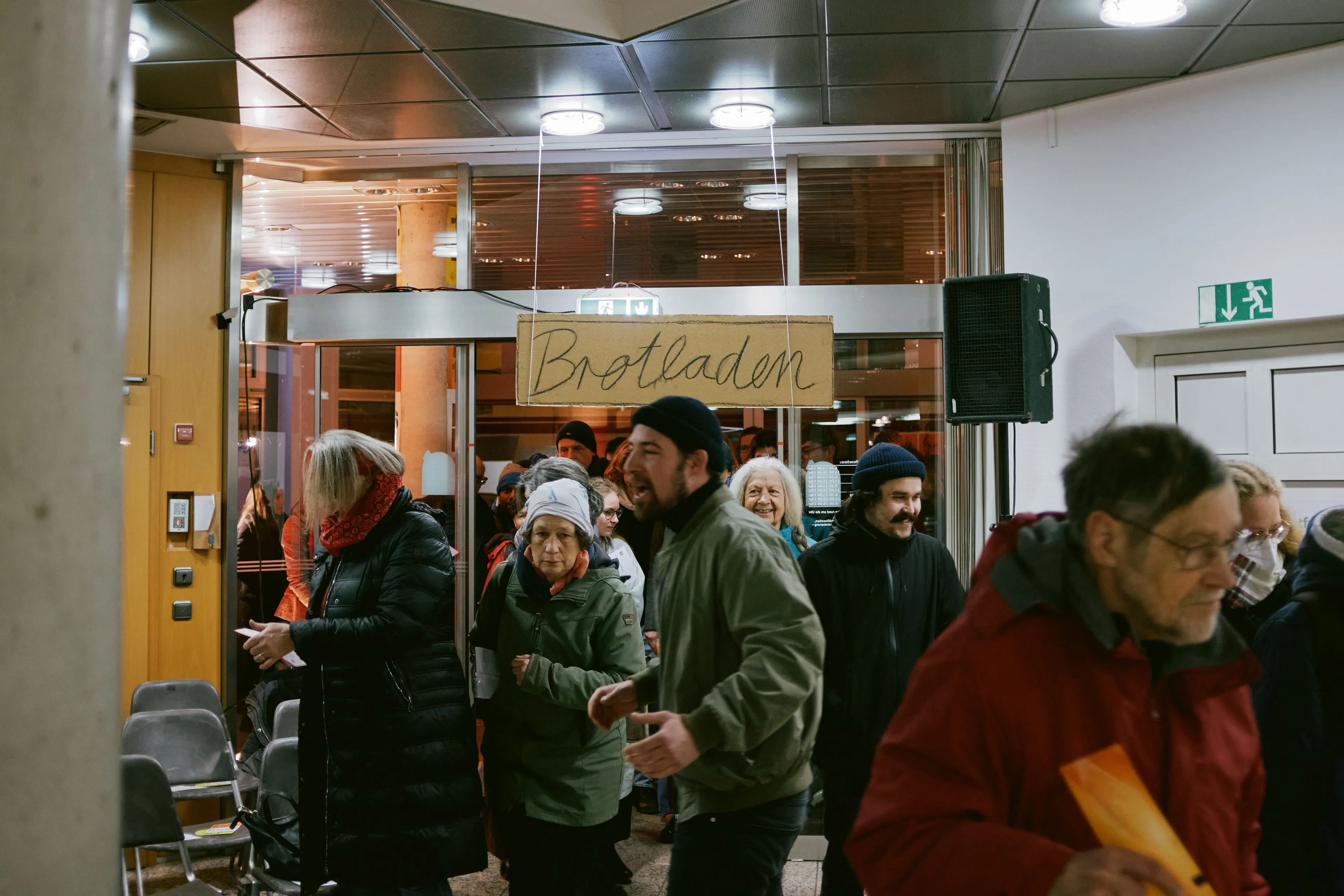
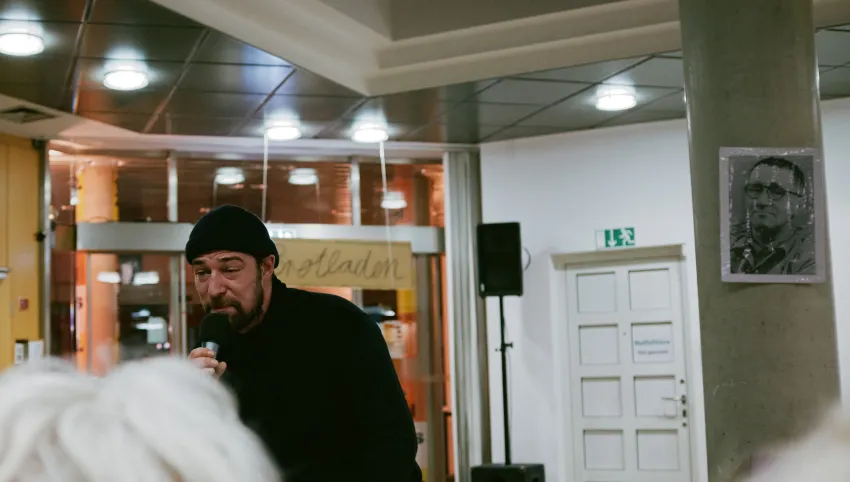
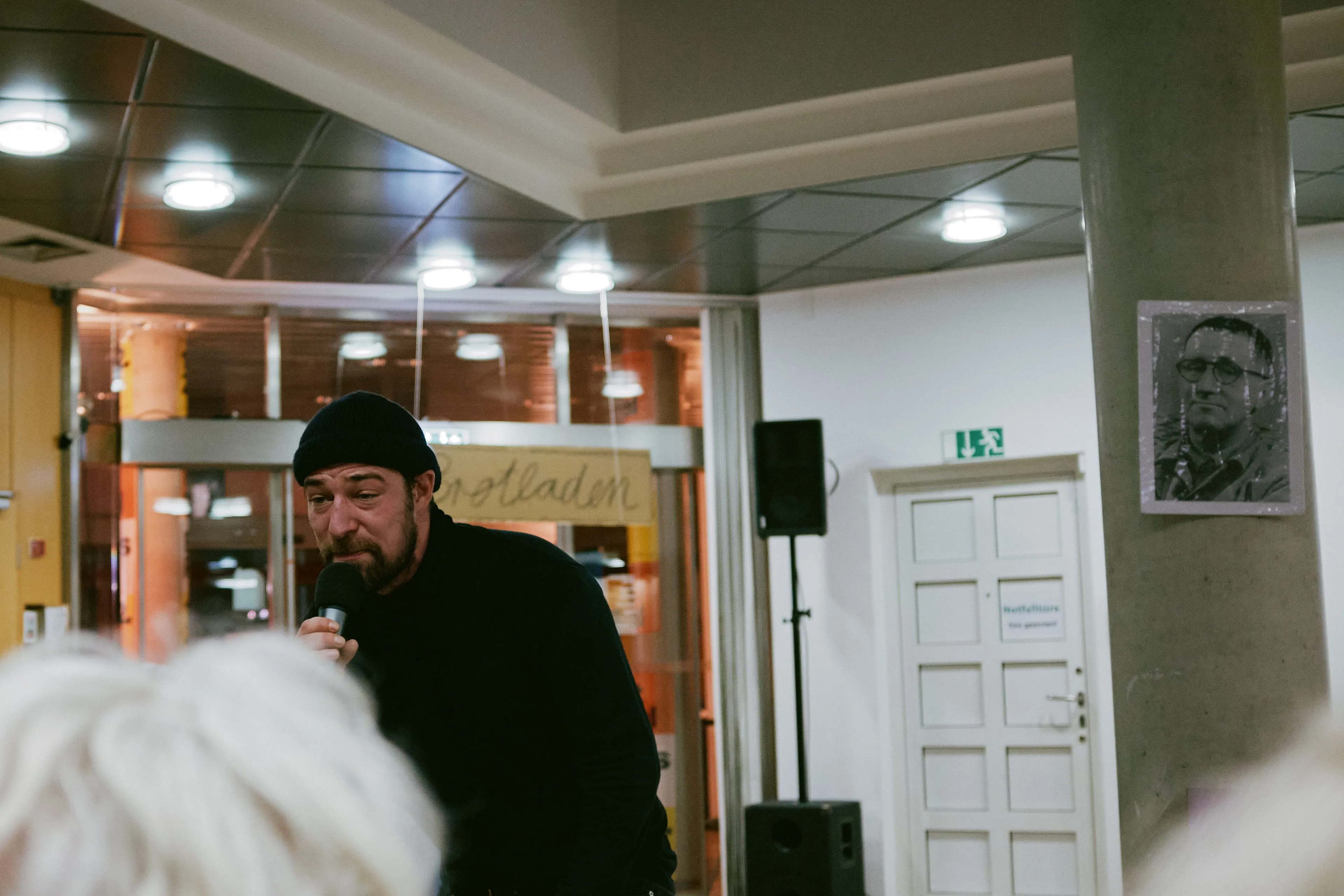
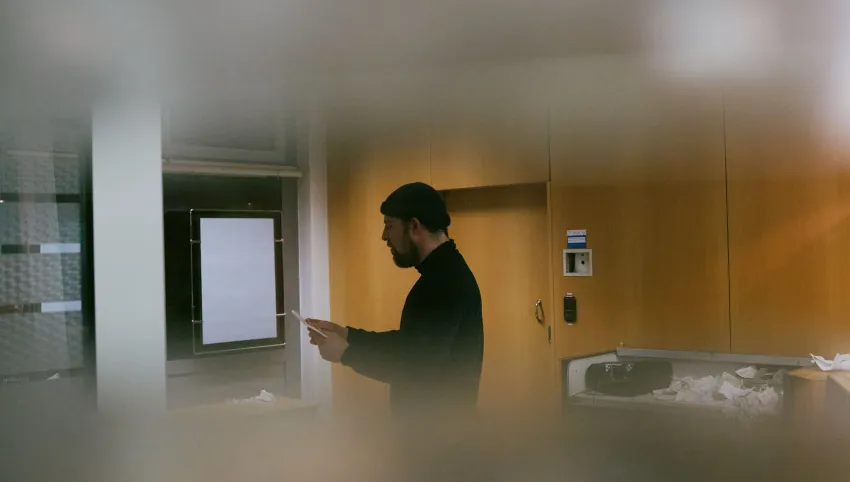
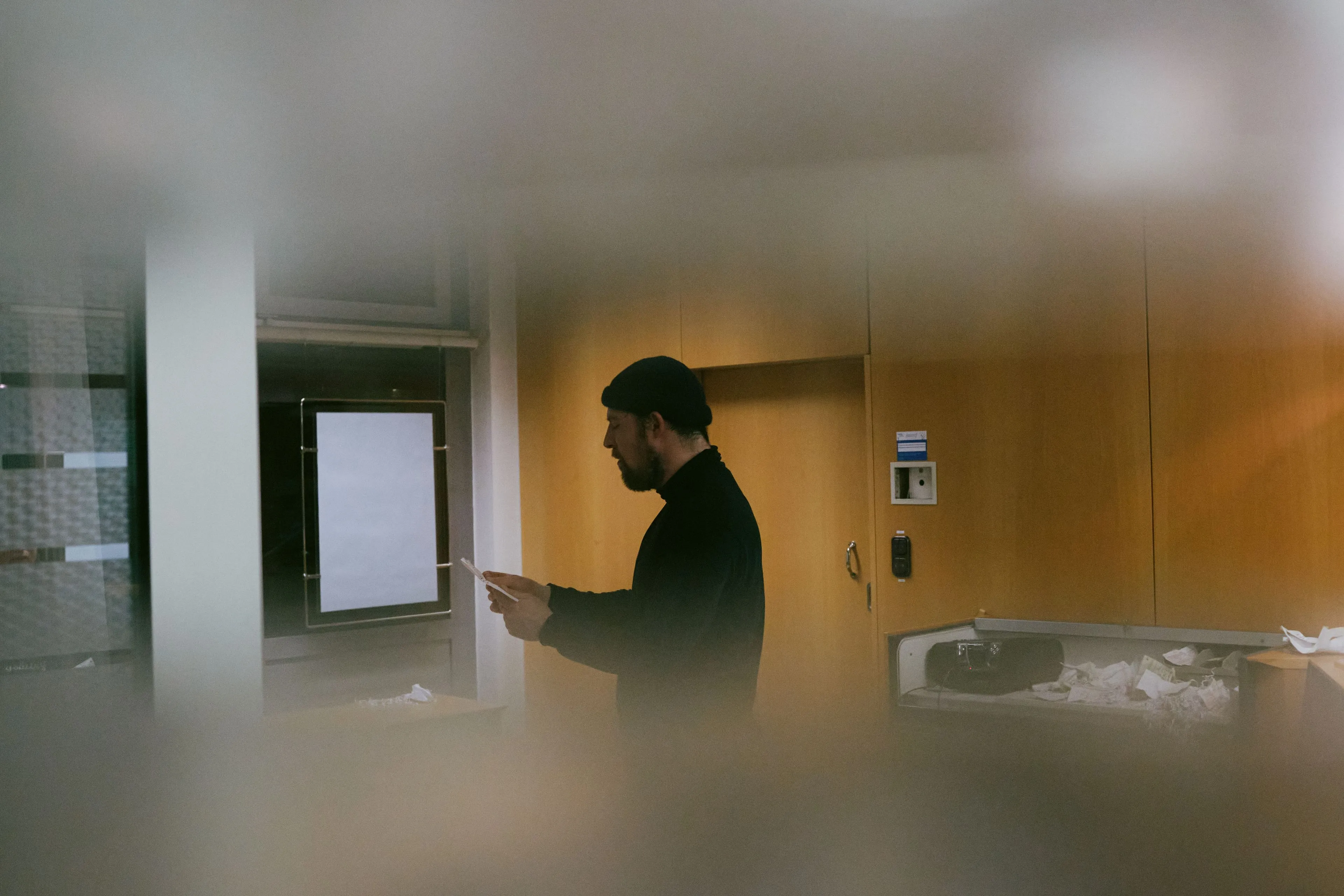
In his play fragment "The Bread Shop", Bertolt Brecht reveals the workings of the market around 1929. In vivid language, he drew a picture of a meritocracy that is forever stepping downwards: the banks, the real estate agent, the shopkeeper, the paperboy, the widow with her hungry children ... What is it like today, almost 100 years later, in (post-) pandemic late capitalism? Based on Brecht's fragment and in dialog with urban society, Antigone Akgün and her players transform a vacant space in Blücherstraße into a narrative space with drama, videos and installations. Who owns the city? What to do in the face of the powerlessness of the dispossessed? What kind of political awareness does Brecht's agitation encounter today - and how can theater be used to tell stories about the injustice of the world in an empathetic, distancing and entertaining way?
Text, concept & director: Antigone Akgün.
With: Christian Freund, Patrick Balaraj Yogarajan
Stage and costumes: Andrea Künemund, Vitalia Gordeev
Video: Lavinia Moroff
Musical direction and sound design: Jonathan Lutz
Collaboration music and text: Christian Freund
Collaboration dramaturgy: Stefan Bläske, Leonie Ute Maria Adam
With: Christian Freund, Patrick Balaraj Yogarajan
Stage and costumes: Andrea Künemund, Vitalia Gordeev
Video: Lavinia Moroff
Musical direction and sound design: Jonathan Lutz
Collaboration music and text: Christian Freund
Collaboration dramaturgy: Stefan Bläske, Leonie Ute Maria Adam
A production of the Theater Bremen
Bruno Tenschert
Text, conception & direction
with
City Savings Bank