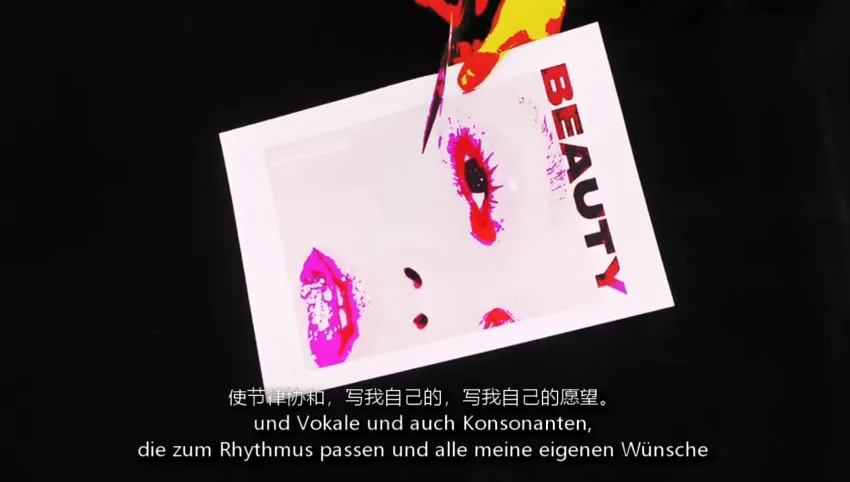
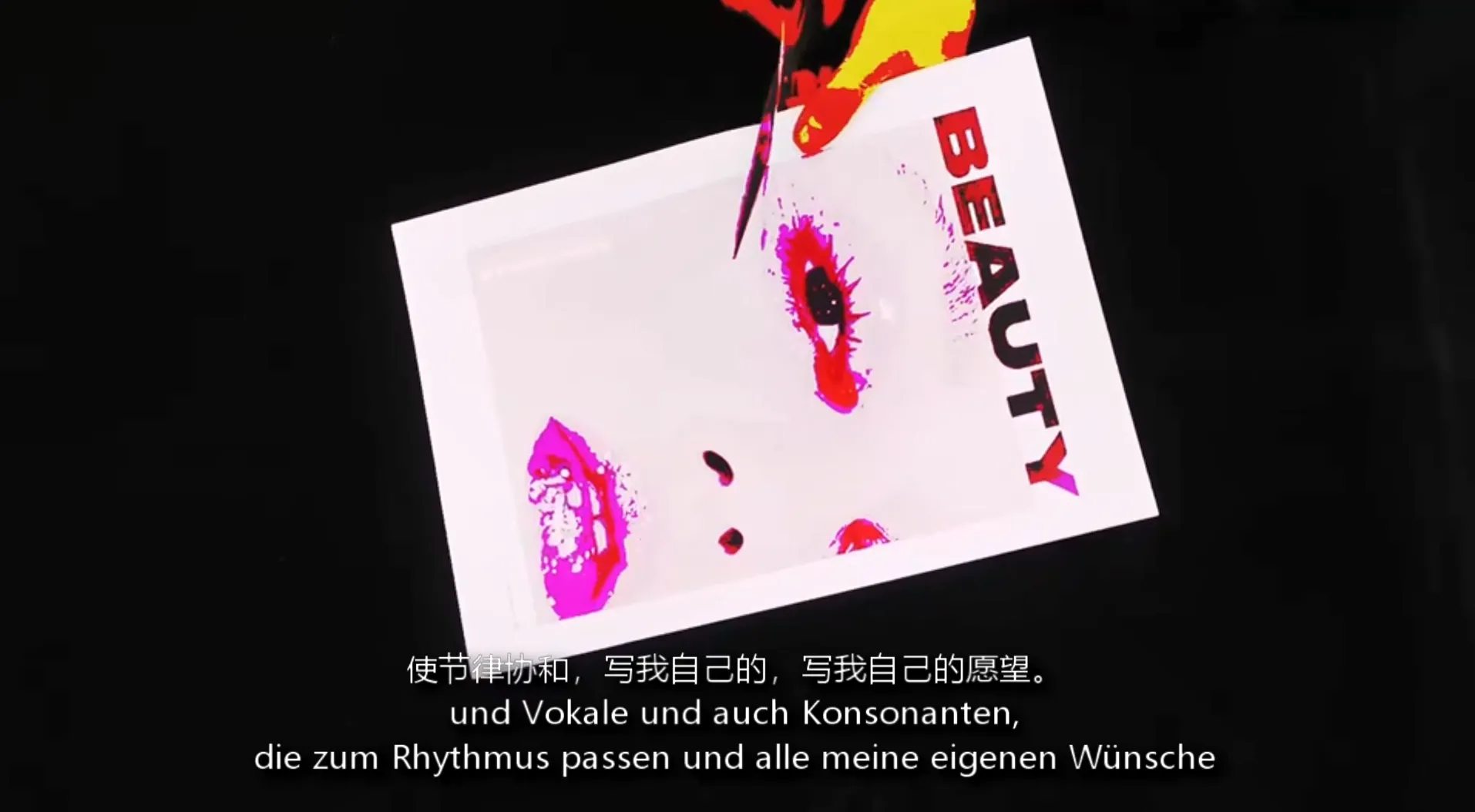
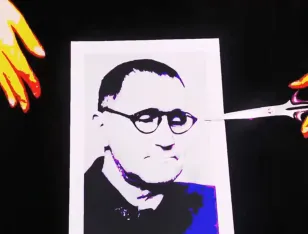
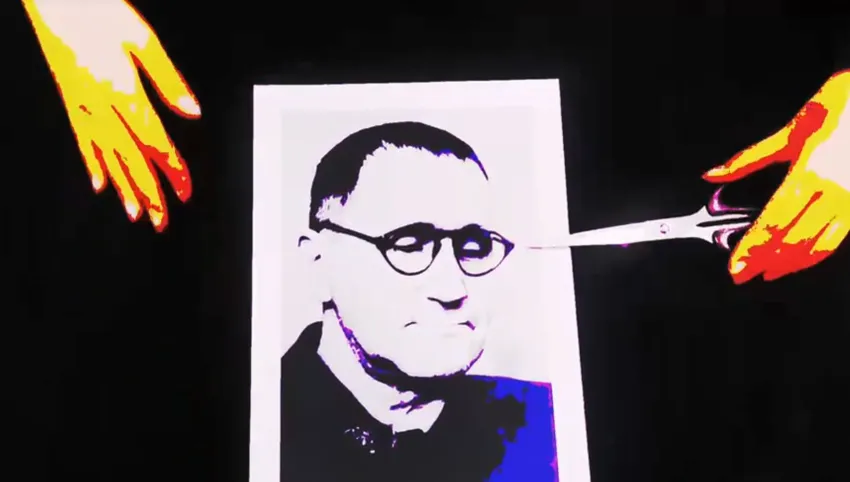
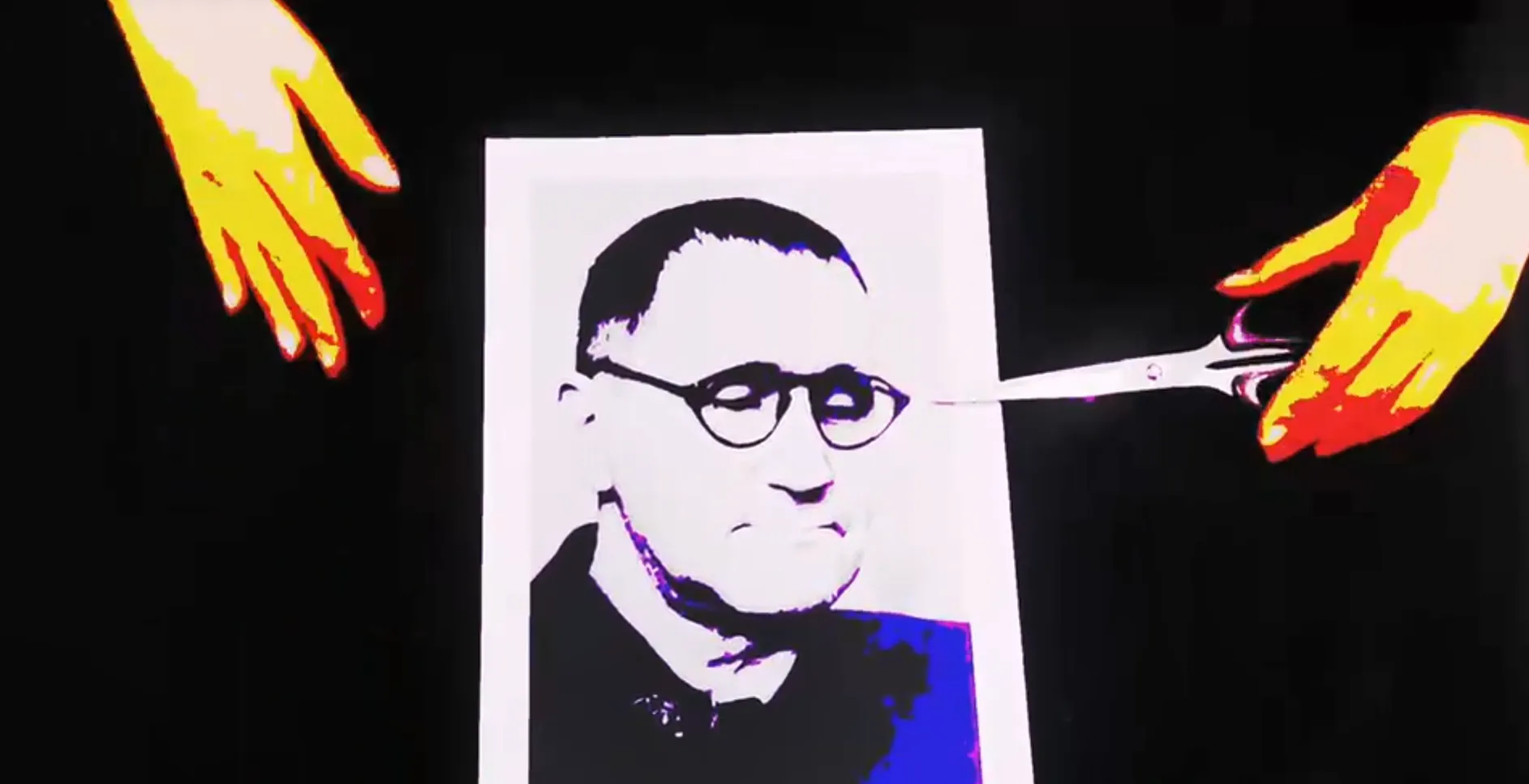
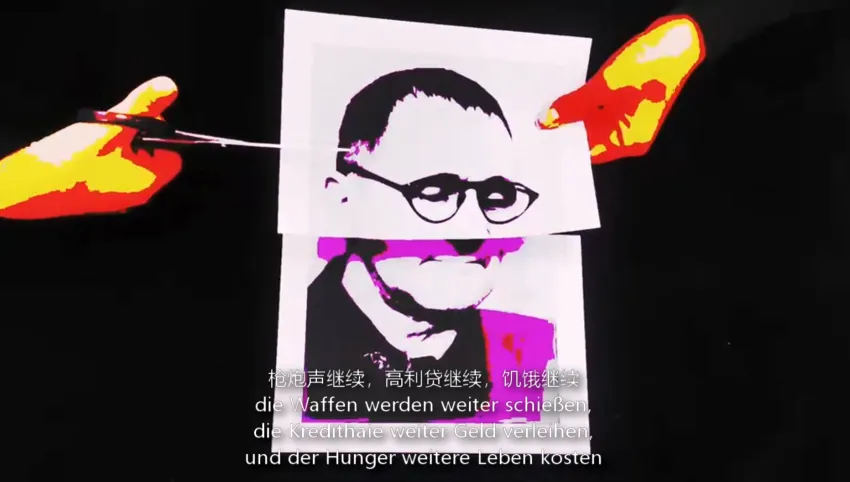
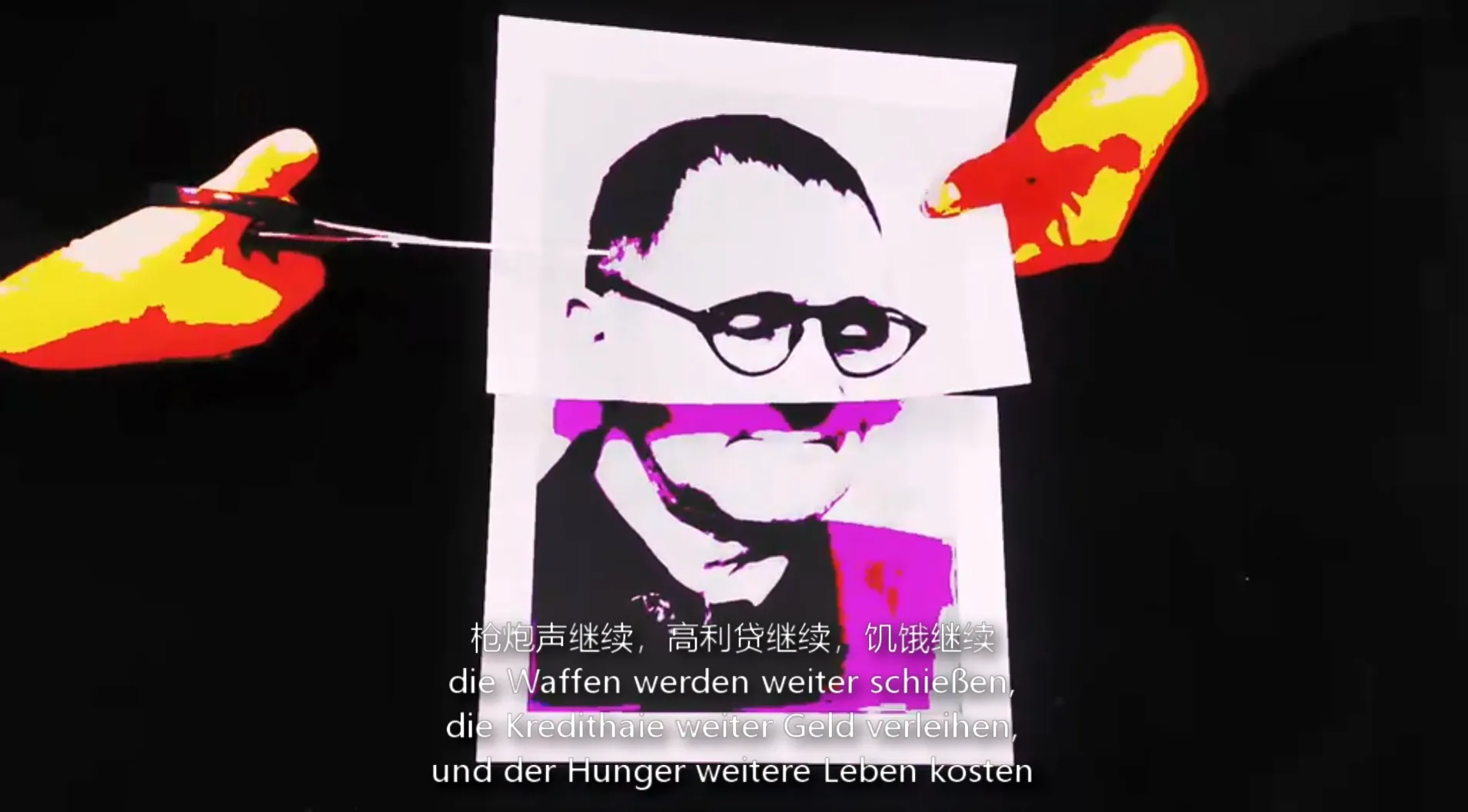

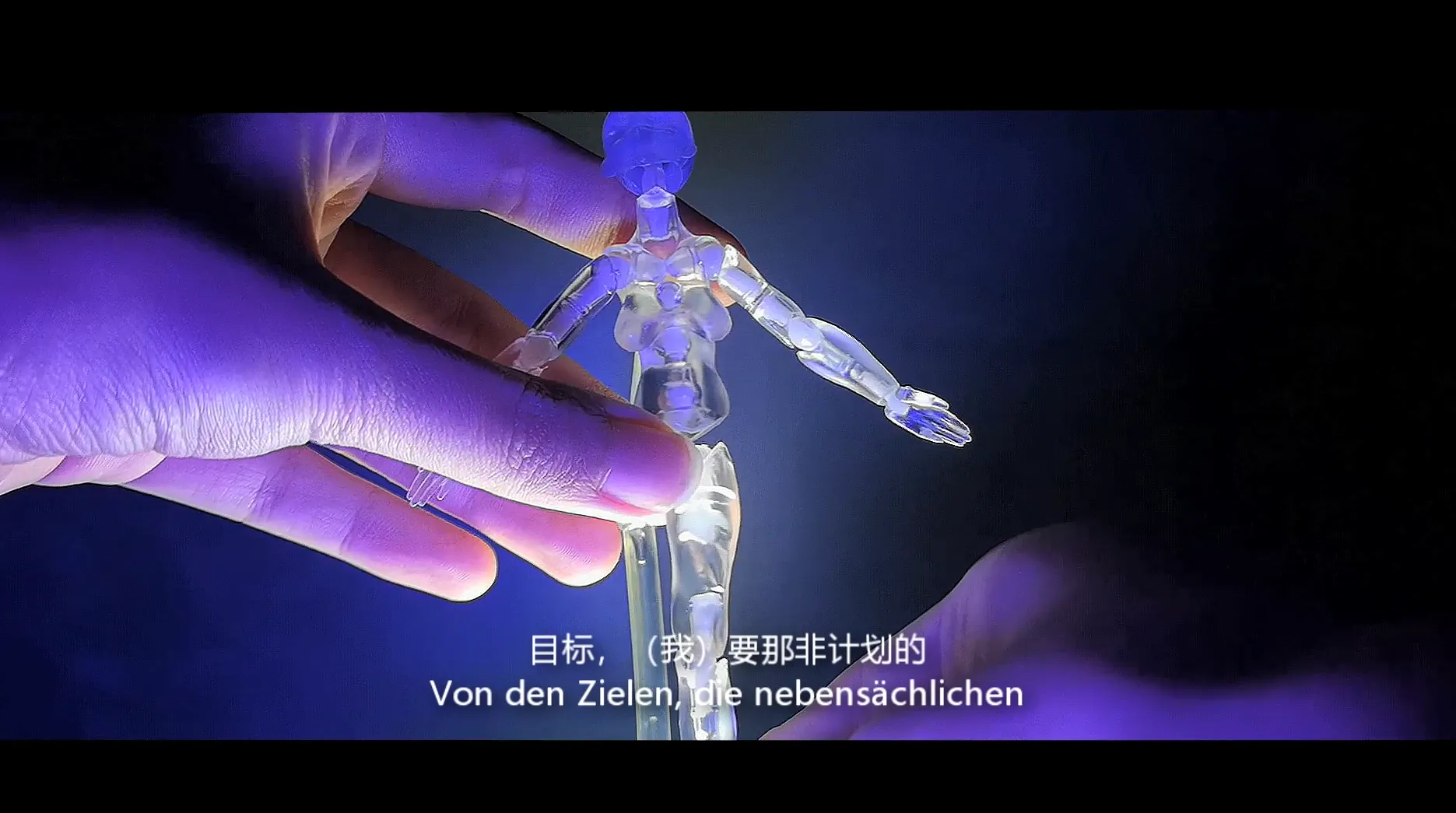

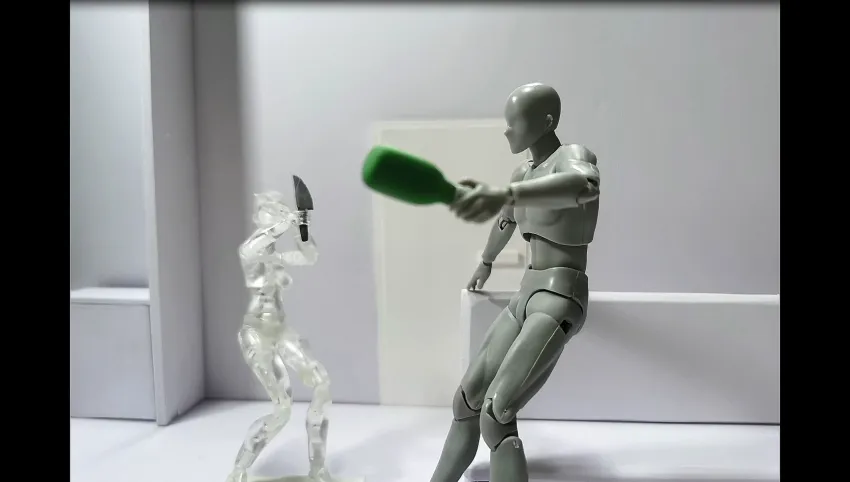
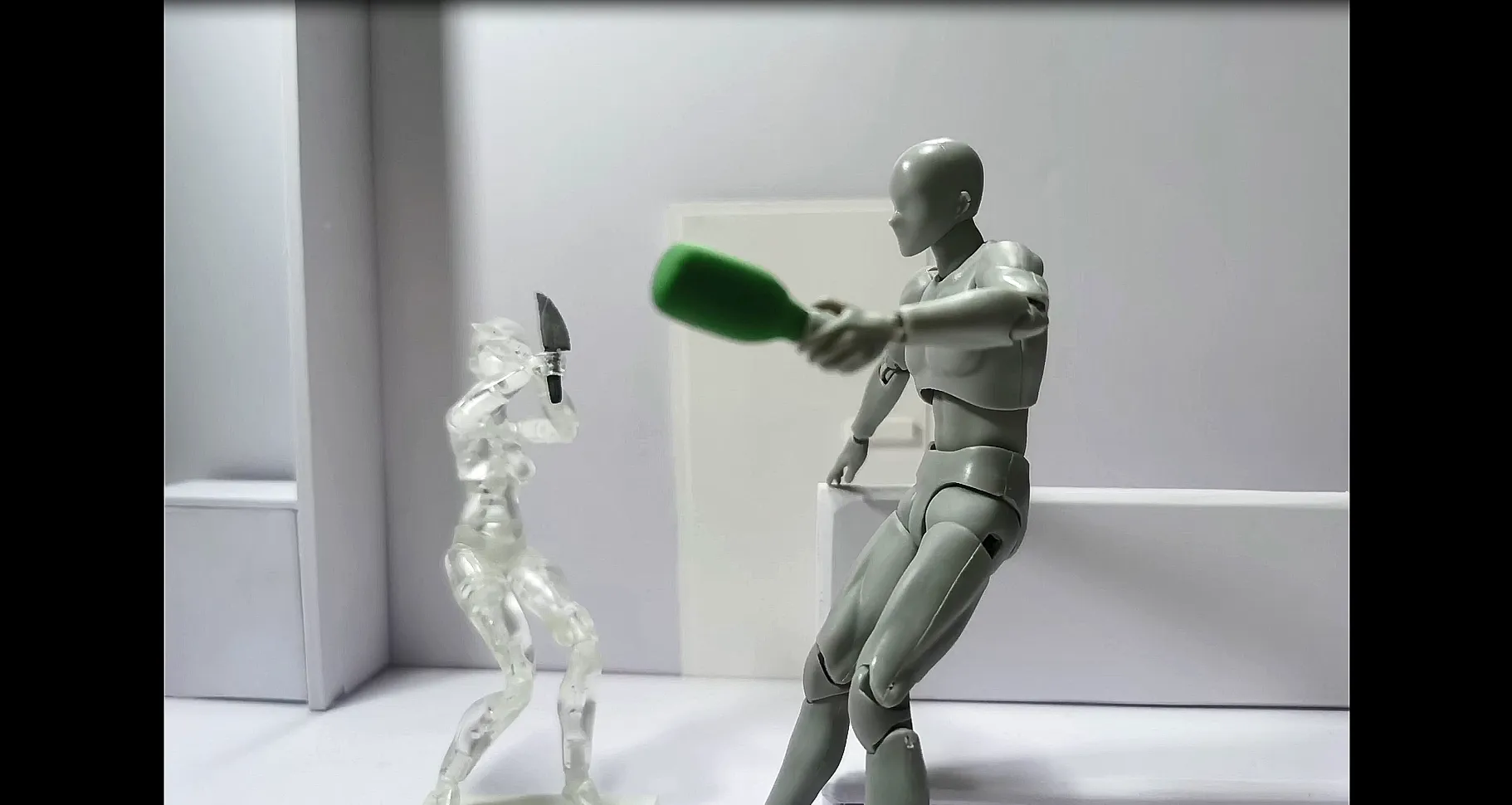
Brecht's poem Orge's Wish List was written in 1917. Since then, the text has become a good reference for life in China today. When we enrolled in the academy, we also had a similar vision to the 19-year-old Brecht. We firmly believed in leading a free and romantic life and making artistic creations that stand for the people. After graduation, the fierce and relentless social competition, pervasive gender violence and austerity measures, and the collectively unconscious environment of political discourse almost defeated us. If you really want to face reality, you have to face the source of pain again and understand the darkness in poetry.
Orge's gaze examines the words used in Orge's wish list from a social and historical perspective, most of them have strong political implications and are related to problems in today's society: 'skin', 'girl', 'woman', 'hostility', 'home', 'art', 'teacher', 'gods', 'death', etc. In our own lives, men use 'white, young and weak' to describe a group of women who are easy to control and use as sexual tools. The "undamaged white skin" in the original text reflects not only the objectification of women in patriarchal society, but also the problem of racism.
by Wang Guanyu, Sun Peijie, Ma Yixuan, Zhao Yingru, Zhang Yuanrong
Text rights:
Suhrkamp Publishing House / Brecht Heirs
Recording and streaming as part of BRECHT DIGITAL. Supported within the framework of "dive in. Program for digital interactions" of the German Federal Cultural Foundation, funded by the Federal Government Commissioner for Culture and the Media (BKM) in the NEUSTART KULTUR program.
Orge's gaze examines the words used in Orge's wish list from a social and historical perspective, most of them have strong political implications and are related to problems in today's society: 'skin', 'girl', 'woman', 'hostility', 'home', 'art', 'teacher', 'gods', 'death', etc. In our own lives, men use 'white, young and weak' to describe a group of women who are easy to control and use as sexual tools. The "undamaged white skin" in the original text reflects not only the objectification of women in patriarchal society, but also the problem of racism.
by Wang Guanyu, Sun Peijie, Ma Yixuan, Zhao Yingru, Zhang Yuanrong
Text rights:
Suhrkamp Publishing House / Brecht Heirs
Recording and streaming as part of BRECHT DIGITAL. Supported within the framework of "dive in. Program for digital interactions" of the German Federal Cultural Foundation, funded by the Federal Government Commissioner for Culture and the Media (BKM) in the NEUSTART KULTUR program.
from
Curator
State Textile and Industrial Museum (tim)