Soumyabrata Choudhury teaches theater and performance studies at Jawaharlal Nehru University in New Delhi. He is an actor, director and writer with more than 30 years of stage experience.
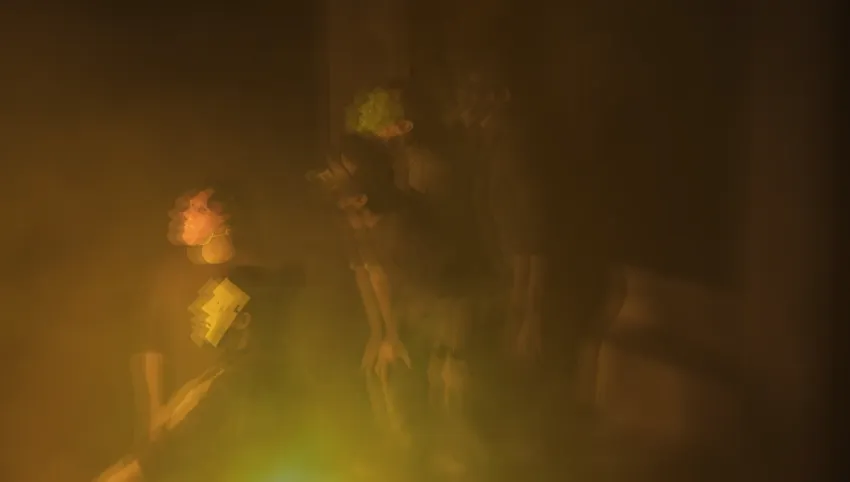
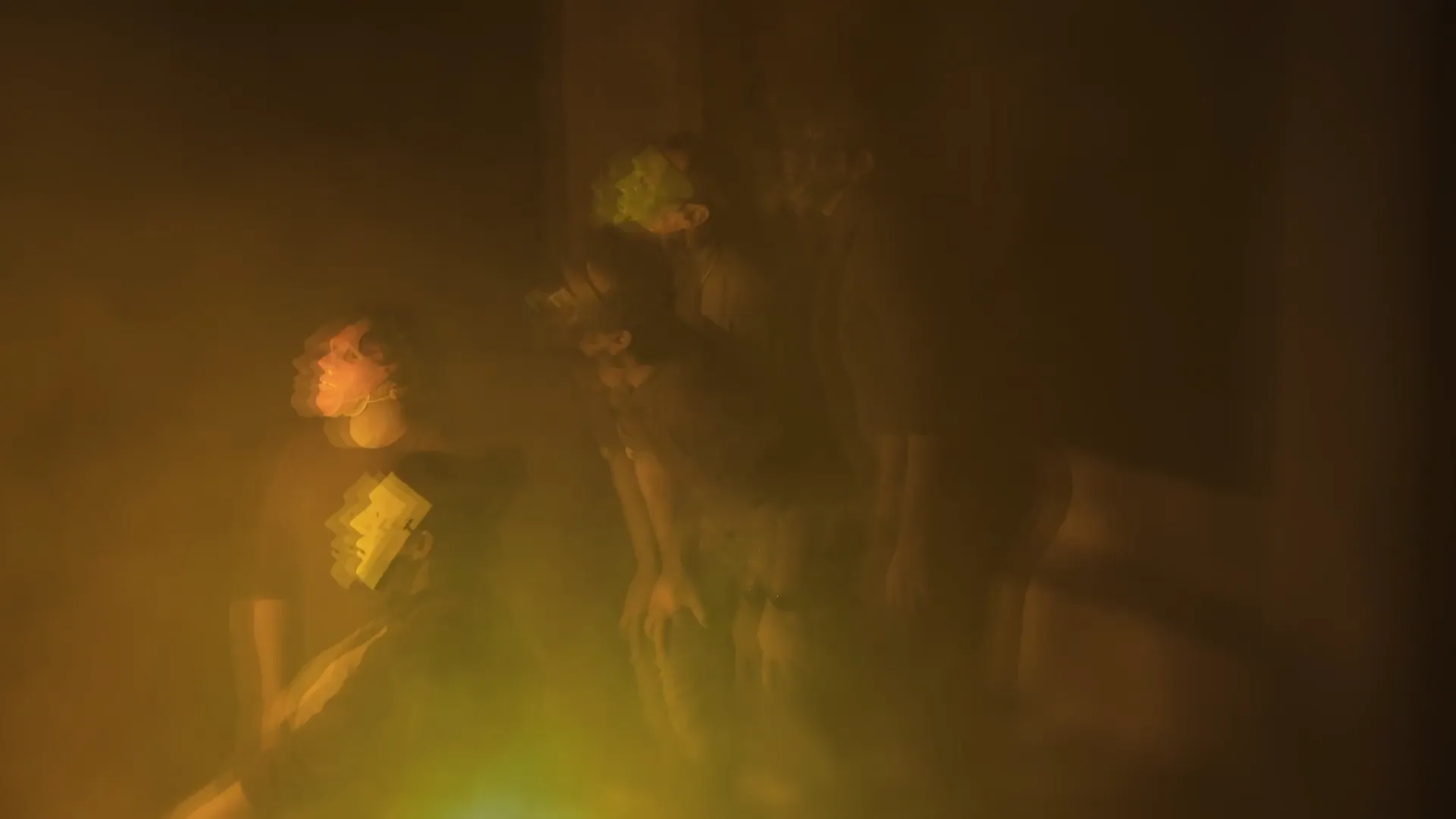
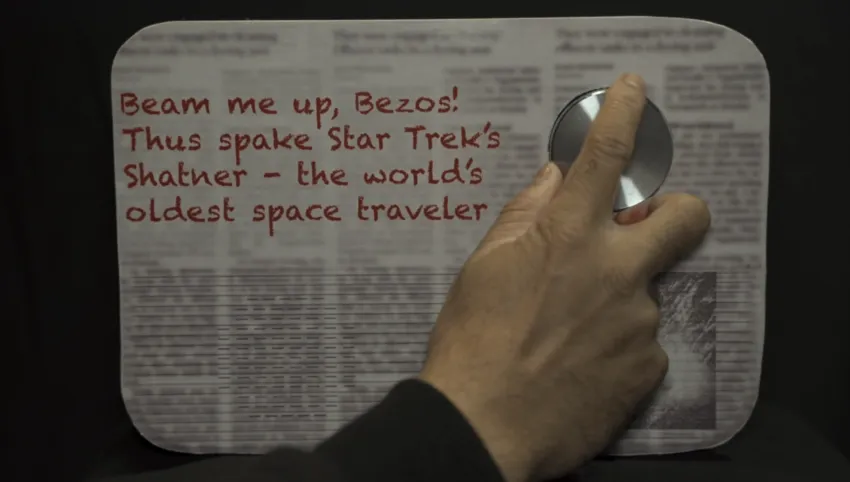
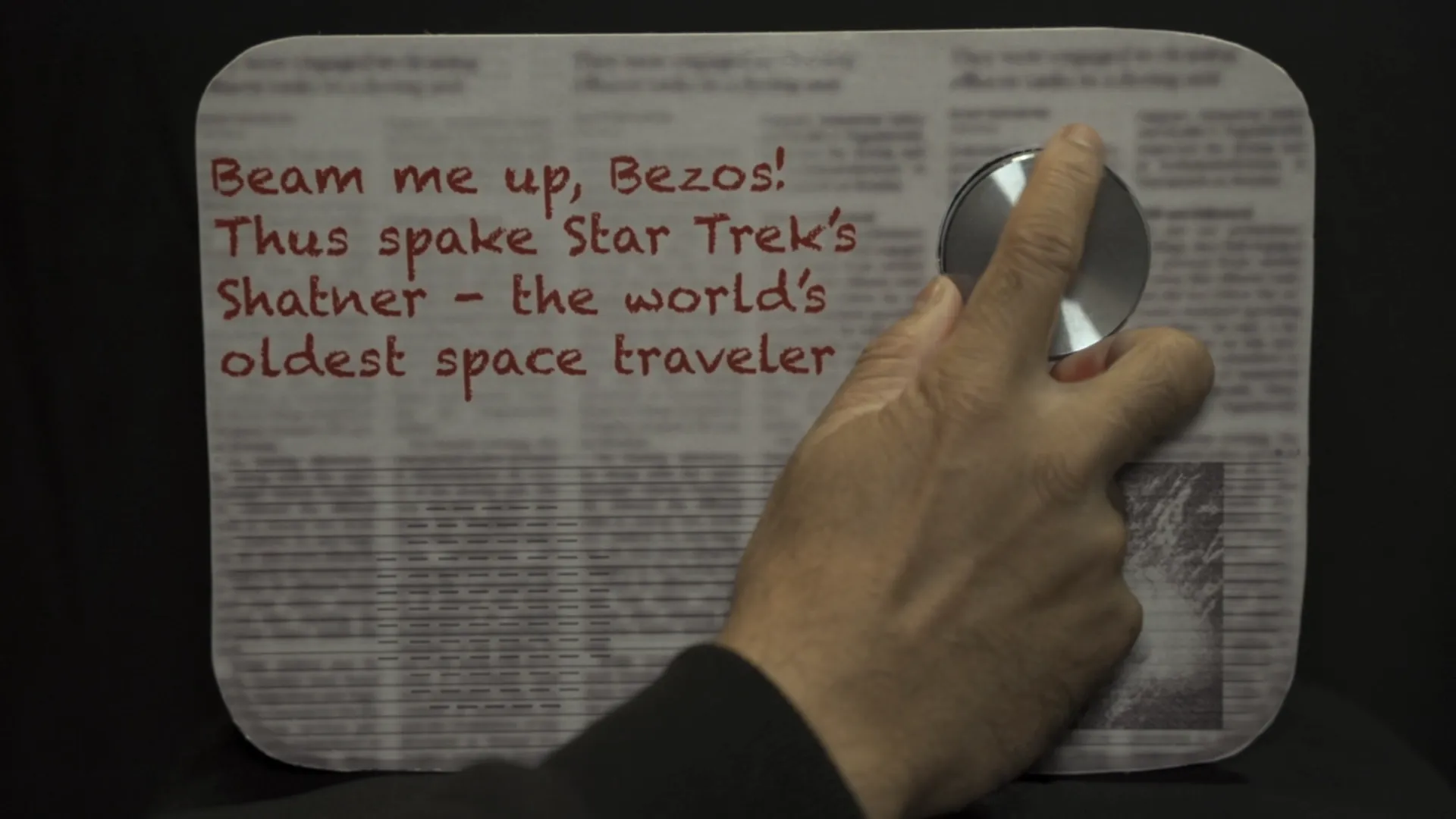
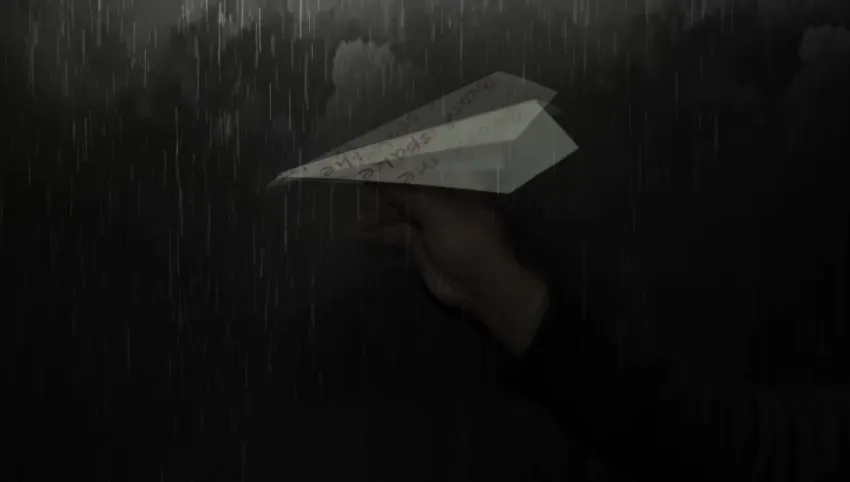
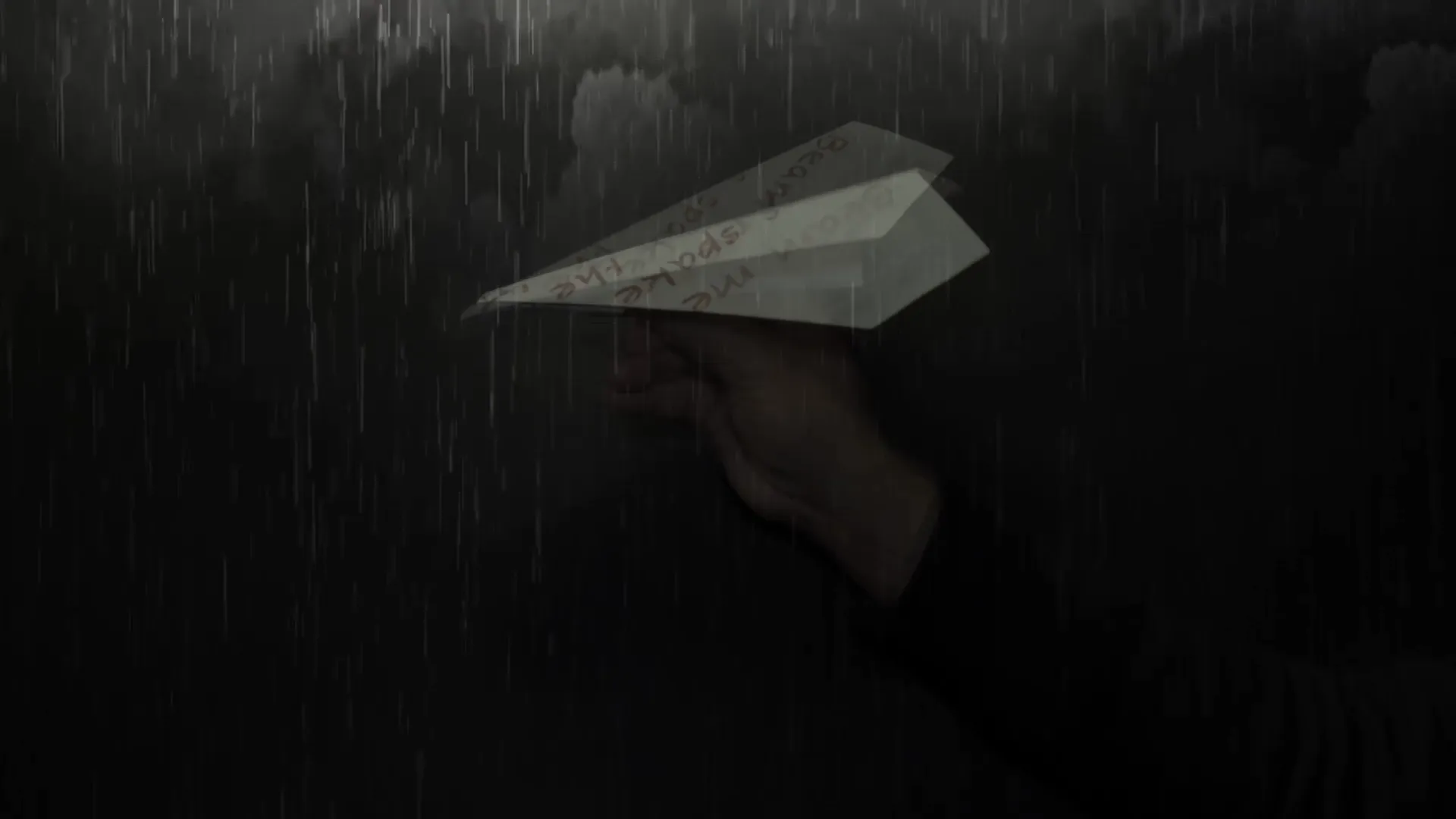
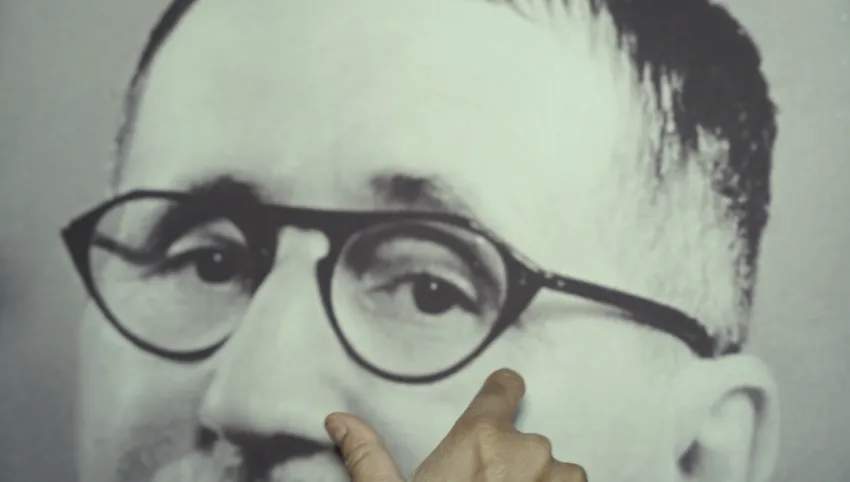
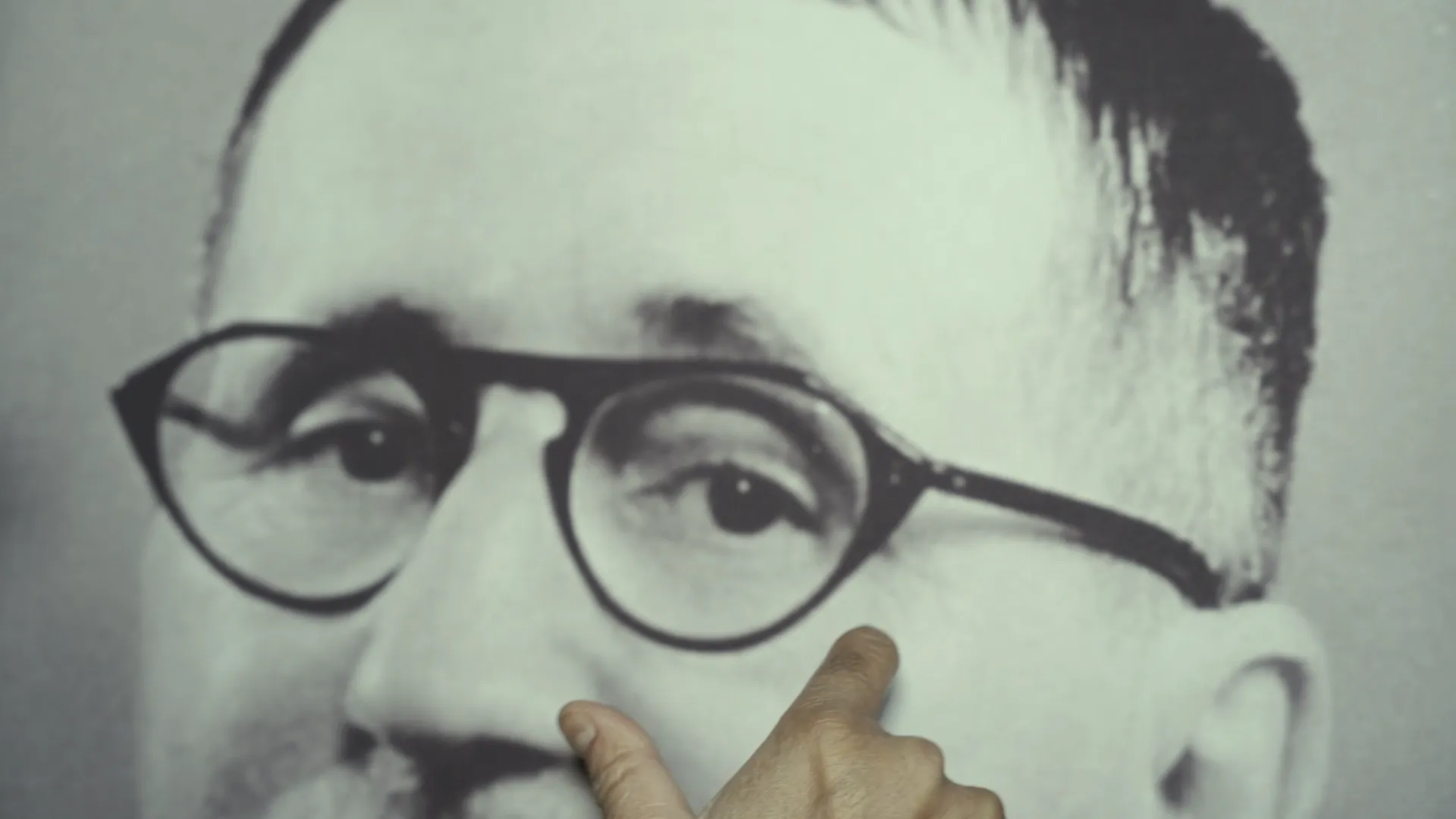
"A Migrant Walk" is both a film and a performance, designed as a documentary caricature of Brecht's radio play "Lindbergh Flight". Choudhury takes Brecht's optimism about progress, the myth of the new mobile man who daringly conquers the ocean non-stop on his own, and relates it to the reality of the forced mobility and defencelessness of Indian migrant workers, millions of whom move from the villages to the metropolises to earn a living. Brecht's radio play "The Lindbergh Flight" is based on the transatlantic journey that Charles Lindbergh made in a primitive airplane. At the time, such a journey was inconceivable. But after Lindbergh had succeeded in the undertaking, the so-called impossible had reached the limits of the possible. Brecht's play marks a technological and at the same time anthropological confidence. It corresponds to the general attitude of the modern 20th century and can be found both in the heroic content (Lindbergh's flight) and in the early self-image of the genre (radio play). Choudhury's work poses the question of our experience of the impossible imaginable throughout history, especially in the early days of the global outbreak of the pandemic since March 2020. The answer to this question is very real and without the slightest hint of the optimistic view that Brecht could conjure up: Today, the impossible imaginable is embodied by the image of the migrating workers, that stream stretching over thousands of kilometers, a march on foot that only occasionally makes use of the most primitive means of transport. From now on, the migrating workers are the real caricature that history throws up, the same history that sat in the cockpit with Charles Lindbergh at the beginning of the long 20th century. How to represent the impossible imaginable flow of migrating workers within the possible limits of our means of communication, when new possibilities are advertised daily on social media? The impossible is continually reduced to images, to stories, to perception, while the fundamental historical question remains unspoken: how can such a reality be conceived within the experience of social and economic contradictions on a global scale, which have come to light so clearly with the pandemic? Curated by: Anuja Ghosalkar and Kai Tuchmann
Recording and streaming as part of BRECHT DIGITAL. Supported within the framework of "dive in. Program for Digital Interactions" of the German Federal Cultural Foundation, funded by the Federal Government Commissioner for Culture and the Media (BKM) in the NEUSTART KULTUR program.
"A Migrant Walk" is both a film and a performance, designed as a documentary caricature of Brecht's radio play "Lindbergh Flight". Choudhury takes Brecht's optimism about progress, the myth of the new mobile man who daringly conquers the ocean non-stop on his own, and relates it to the reality of the forced mobility and defencelessness of Indian migrant workers, millions of whom move from the villages to the metropolises to earn a living. Brecht's radio play "The Lindbergh Flight" is based on the transatlantic journey that Charles Lindbergh made in a primitive airplane. At the time, such a journey was inconceivable. But after Lindbergh had succeeded in the undertaking, the so-called impossible had reached the limits of the possible. Brecht's play marks a technological and at the same time anthropological confidence. It corresponds to the general attitude of the modern 20th century and can be found both in the heroic content (Lindbergh's flight) and in the early self-image of the genre (radio play). Choudhury's work poses the question of our experience of the impossible imaginable throughout history, especially in the early days of the global outbreak of the pandemic since March 2020. The answer to this question is very real and without the slightest hint of the optimistic view that Brecht could conjure up: Today, the impossible imaginable is embodied by the image of the migrating workers, that stream stretching over thousands of kilometers, a march on foot that only occasionally makes use of the most primitive means of transport. From now on, the migrating workers are the real caricature that history throws up, the same history that sat in the cockpit with Charles Lindbergh at the beginning of the long 20th century. How to represent the impossible imaginable flow of migrating workers within the possible limits of our means of communication, when new possibilities are advertised daily on social media? The impossible is continually reduced to images, to stories, to perception, while the fundamental historical question remains unspoken: how can such a reality be conceived within the experience of social and economic contradictions on a global scale, which have come to light so clearly with the pandemic? Curated by: Anuja Ghosalkar and Kai Tuchmann
Recording and streaming as part of BRECHT DIGITAL. Supported within the framework of "dive in. Program for Digital Interactions" of the German Federal Cultural Foundation, funded by the Federal Government Commissioner for Culture and the Media (BKM) in the NEUSTART KULTUR program.
from
Curators
State Textile and Industrial Museum (tim)