
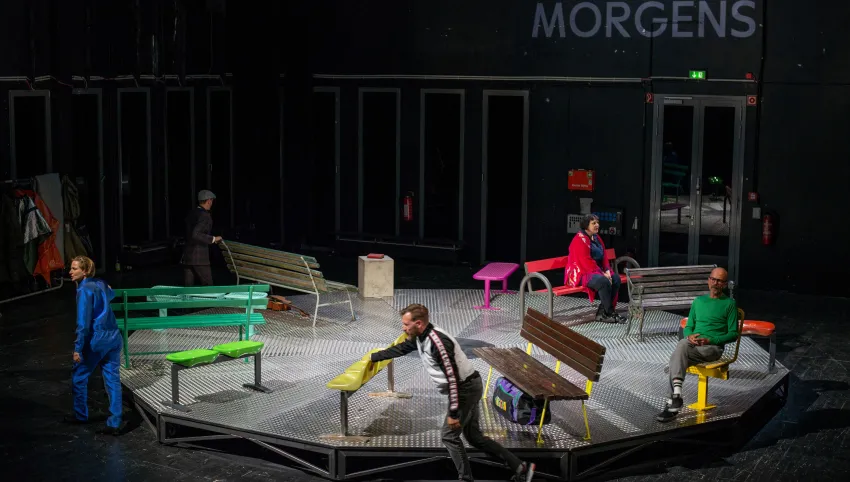
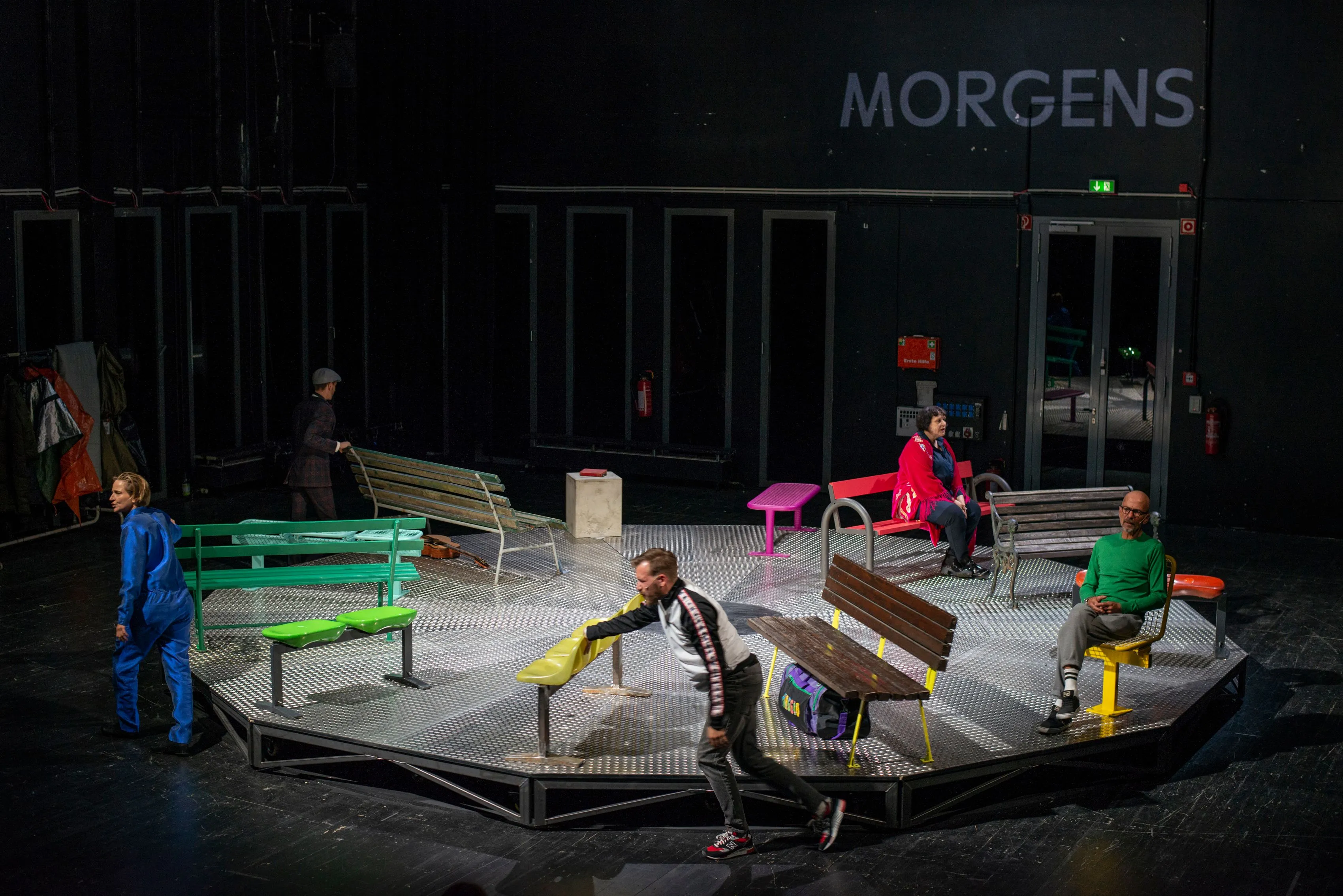
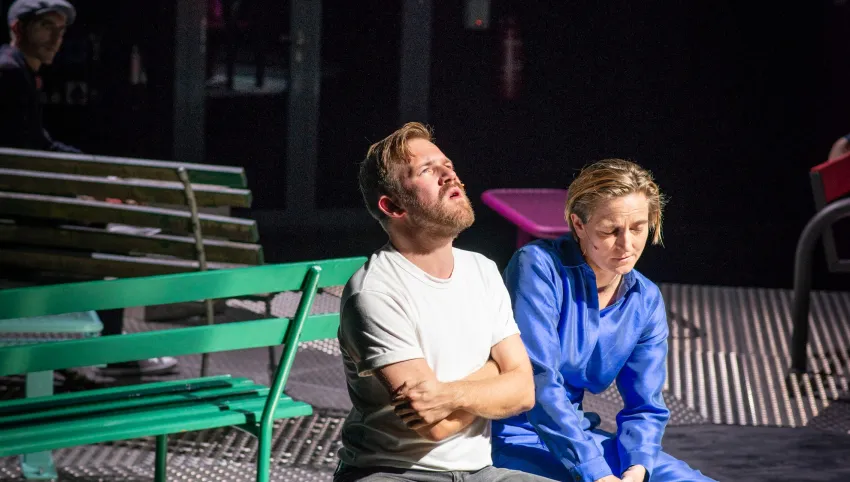
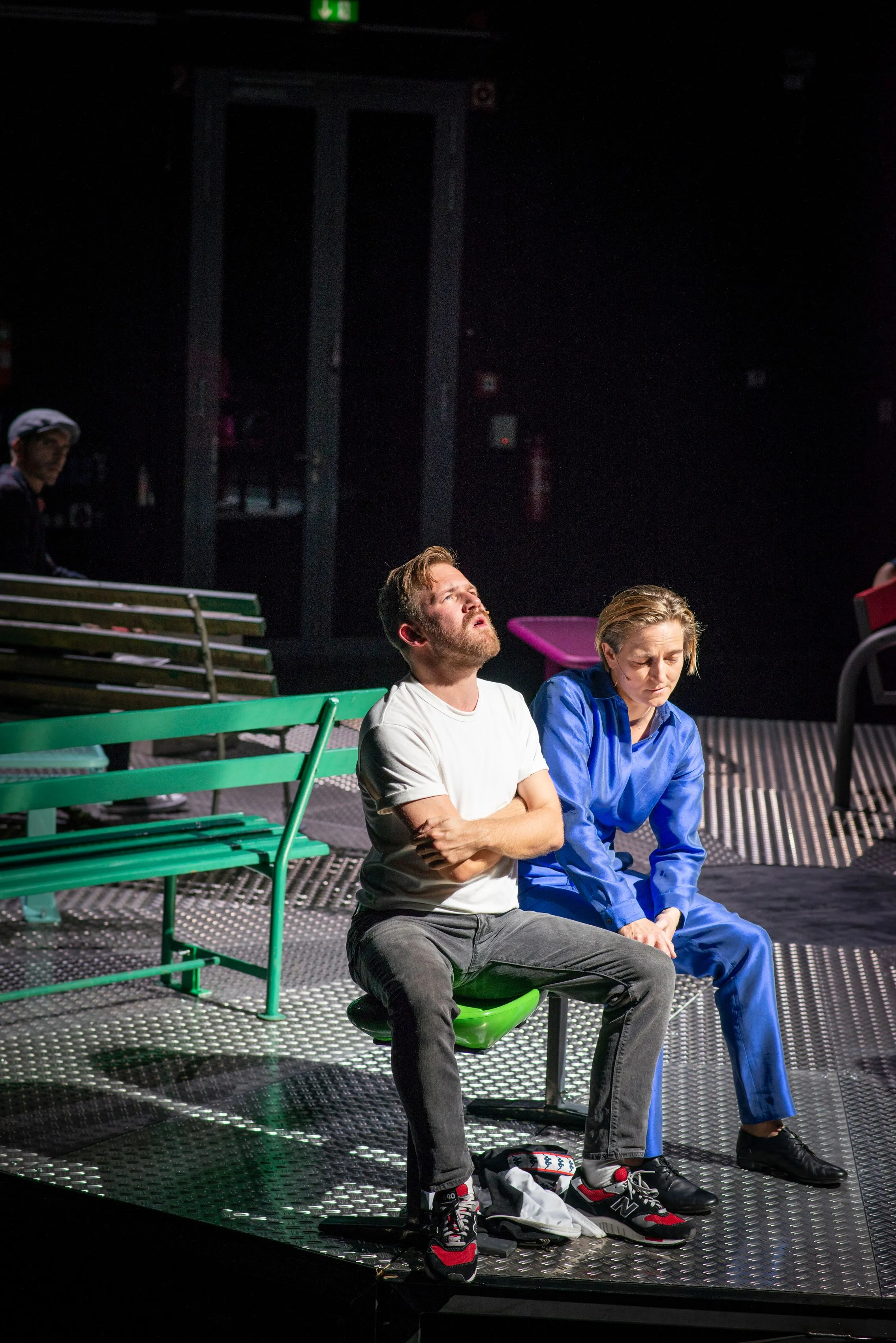
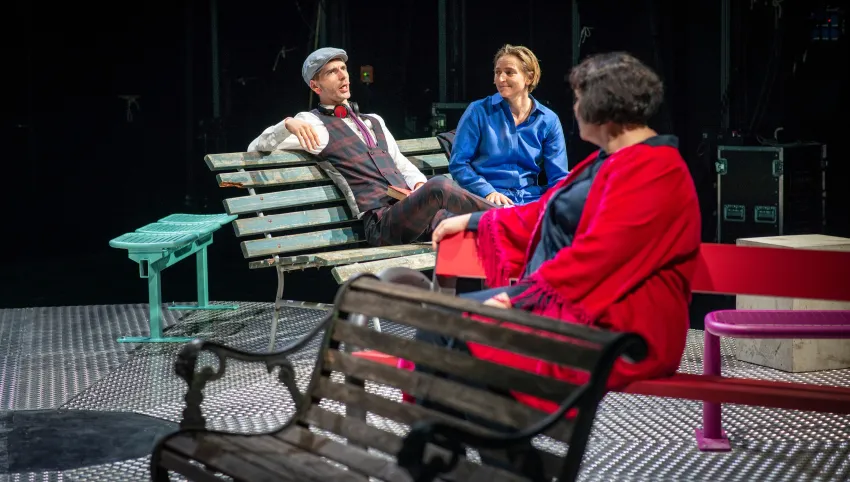
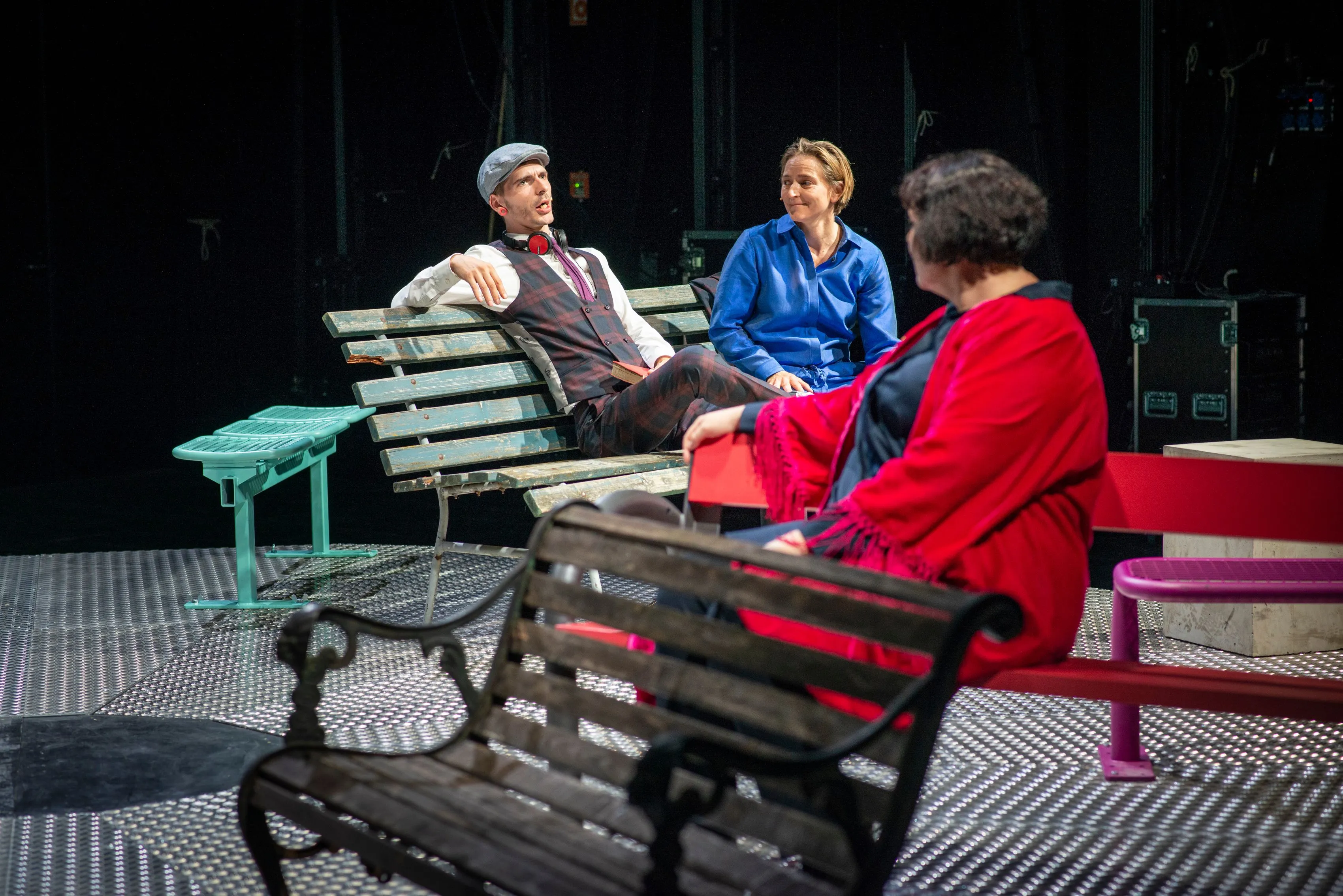

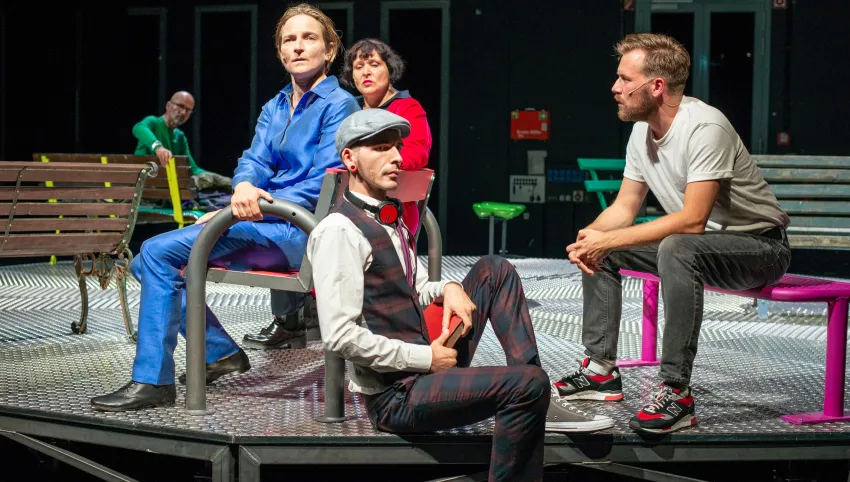
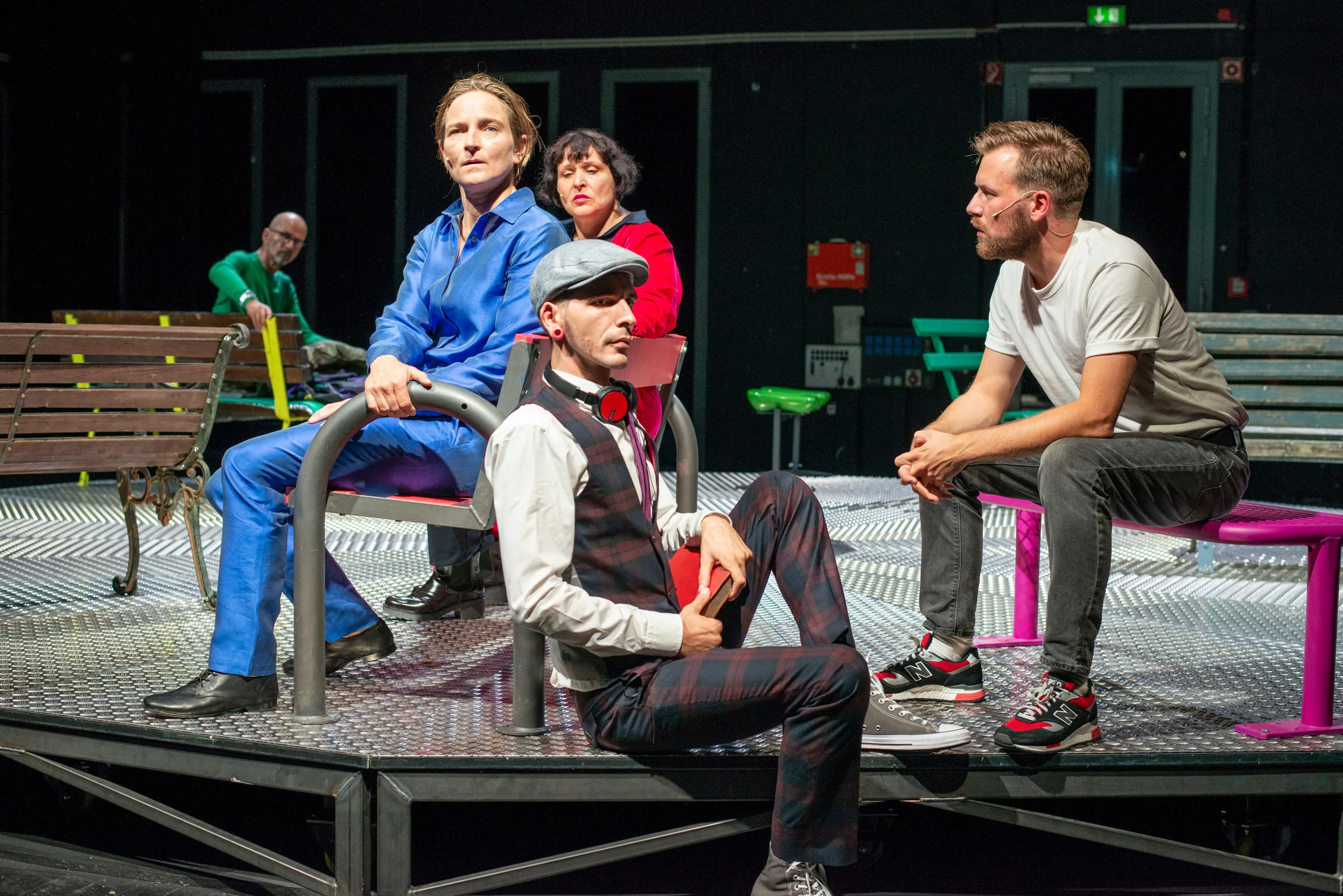

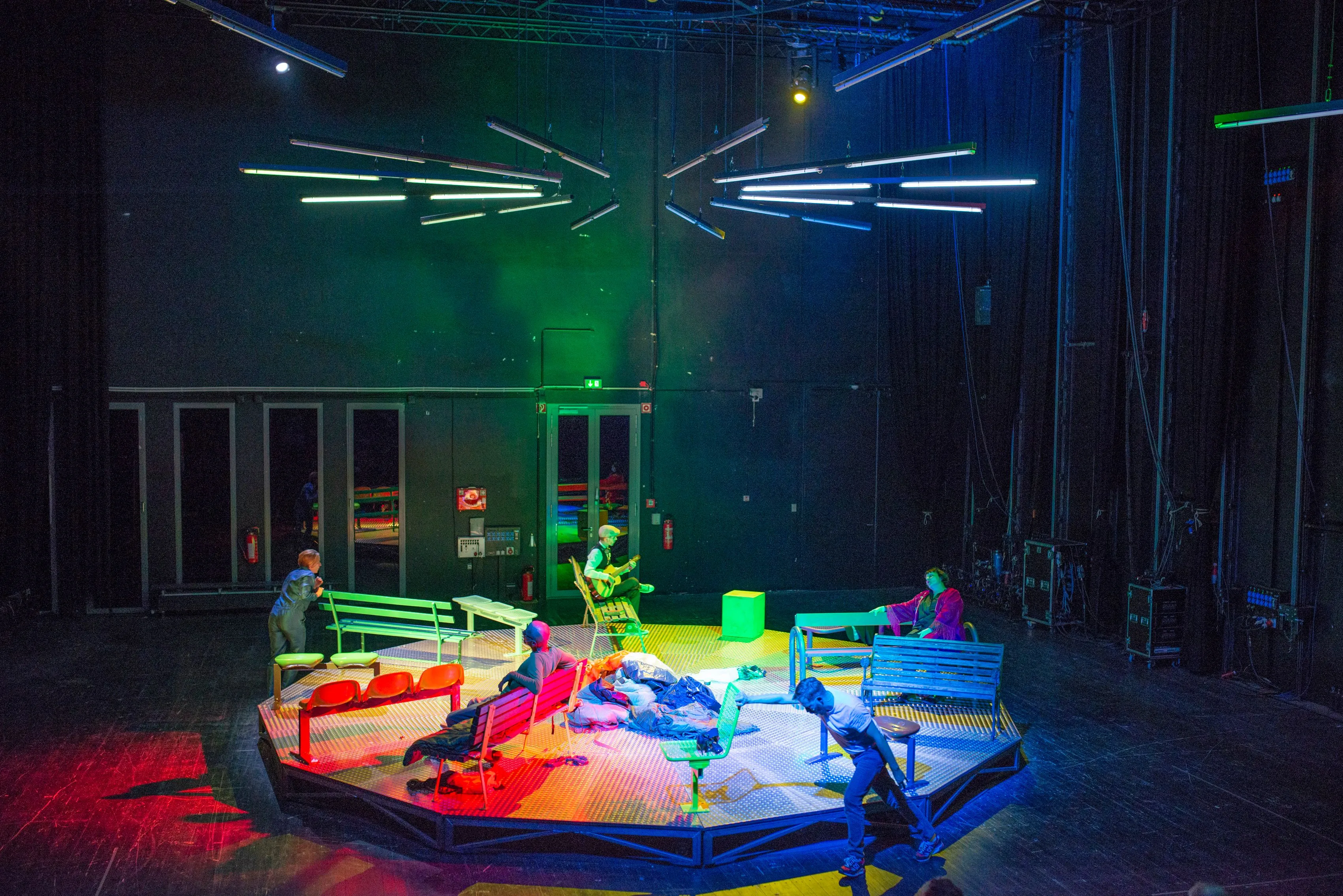
"On the street" tells the story of people on the margins of society. Together with actors from the Berliner Ensemble, people affected by housing, homelessness and poverty offer different perspectives on a social debate that essentially revolves around the question of social coexistence and a society based on solidarity.
Humans are social beings. He cannot be thought of as anti-social,
without putting his own existence at risk. To what extent does the
unwanted loss of participation in society robs the individual of his
existence and therefore their human dignity? The gross domestic product
Germany's gross domestic product is top, its economic power is top in the EU, the purchasing power
of Germans is rising, the unemployment rate is low. At the same time
child and old-age poverty are increasing rapidly, more and more food banks are
more and more people, emergency shelters for the homeless are bursting at the
seams. Nowhere else in the EU is the risk of slipping into
poverty as high as in Germany. poverty than in Germany. Just 20 years ago, the
largest proportion of homeless people were
the majority of homeless people were considered "mentally ill", today their share is
vanishingly small. In the past eight years, the number of homeless people has
of homeless people has doubled. The main reason: rent debts. What if
the rent eats up your life and the trip to the street is shorter than
going to the authorities? When former children in care can no longer find a way back
back into housing - and Hartz IV recipients are not even invited to view apartments?
without putting his own existence at risk. To what extent does the
unwanted loss of participation in society robs the individual of his
existence and therefore their human dignity? The gross domestic product
Germany's gross domestic product is top, its economic power is top in the EU, the purchasing power
of Germans is rising, the unemployment rate is low. At the same time
child and old-age poverty are increasing rapidly, more and more food banks are
more and more people, emergency shelters for the homeless are bursting at the
seams. Nowhere else in the EU is the risk of slipping into
poverty as high as in Germany. poverty than in Germany. Just 20 years ago, the
largest proportion of homeless people were
the majority of homeless people were considered "mentally ill", today their share is
vanishingly small. In the past eight years, the number of homeless people has
of homeless people has doubled. The main reason: rent debts. What if
the rent eats up your life and the trip to the street is shorter than
going to the authorities? When former children in care can no longer find a way back
back into housing - and Hartz IV recipients are not even invited to view apartments?
Director Karen Breece spent months researching in Berlin
and conducted interviews. With homeless people, with people who were homeless
with people who were homeless, with people who rely on state support or going
to the food bank in order to survive, and with people
who look after the homeless and poor in Berlin. On the basis of these
conversations and research, she joined forces with people
affected by homelessness
and poverty and actors from the Berlin
ensemble to explore the issue of homelessness. ensemble to address the topic. The resulting
The resulting theater evening aims to give a voice to people excluded from society people excluded from society, a space for participation, a counterpart
that perceives them.
Why are people who need help left to their own devices - in
one of the richest countries in Europe? What drives a society to
to desolidarize itself? And what does this development have to do with each
individual? individual of us?
With: Psy Chris, Nico Holonics, Bettina Hoppe, René Wallner, Alexandra Zipperer and the integrative choir Different Voices of Berlin
Director: Karen Breece / Stage: Eva Veronica Born / Costumes: Claudia Irro / Music: Beni Brachtel / Lighting: Steffen Heinke / Artistic consultant: Clara Topic-Matutin
In the tradition of its former artistic directors Bertolt Brecht
and Heiner Müller, the Berliner Ensemble concentrates on theater
about our present. At the center of the repertoire, alongside
works by Bertolt Brecht, the repertoire focuses on current material and contemporary
plays by living authors that deal with the pressing issues of our time on stage.
Karen Breece develops plays on the basis of intensive research work.
Many of her previous works deal with the reappraisal of German Nazi history, the political present and issues of interculturality and identity. She has co-produced with the Münchner Kammerspiele and was a guest at the FIND Festival at the Berliner Schaubühne in 2017.
www.berliner-ensemble.de/mehrauf-der-strasse
Performance rights: Karen Breece
A production of the Berlin ensemble "Auf der Straße" was created as part of the Exzellenz series sponsored by the Deutsche Bank Foundation.
Julian Röder
Direction
A production by
with
martini Park