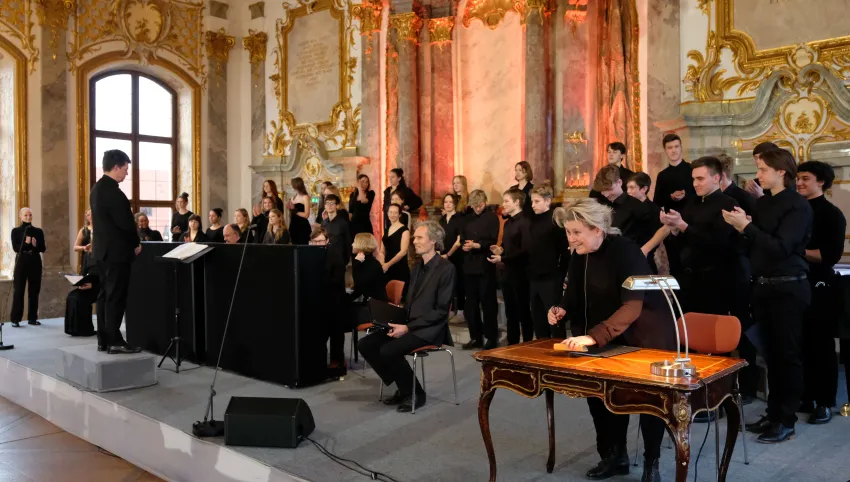
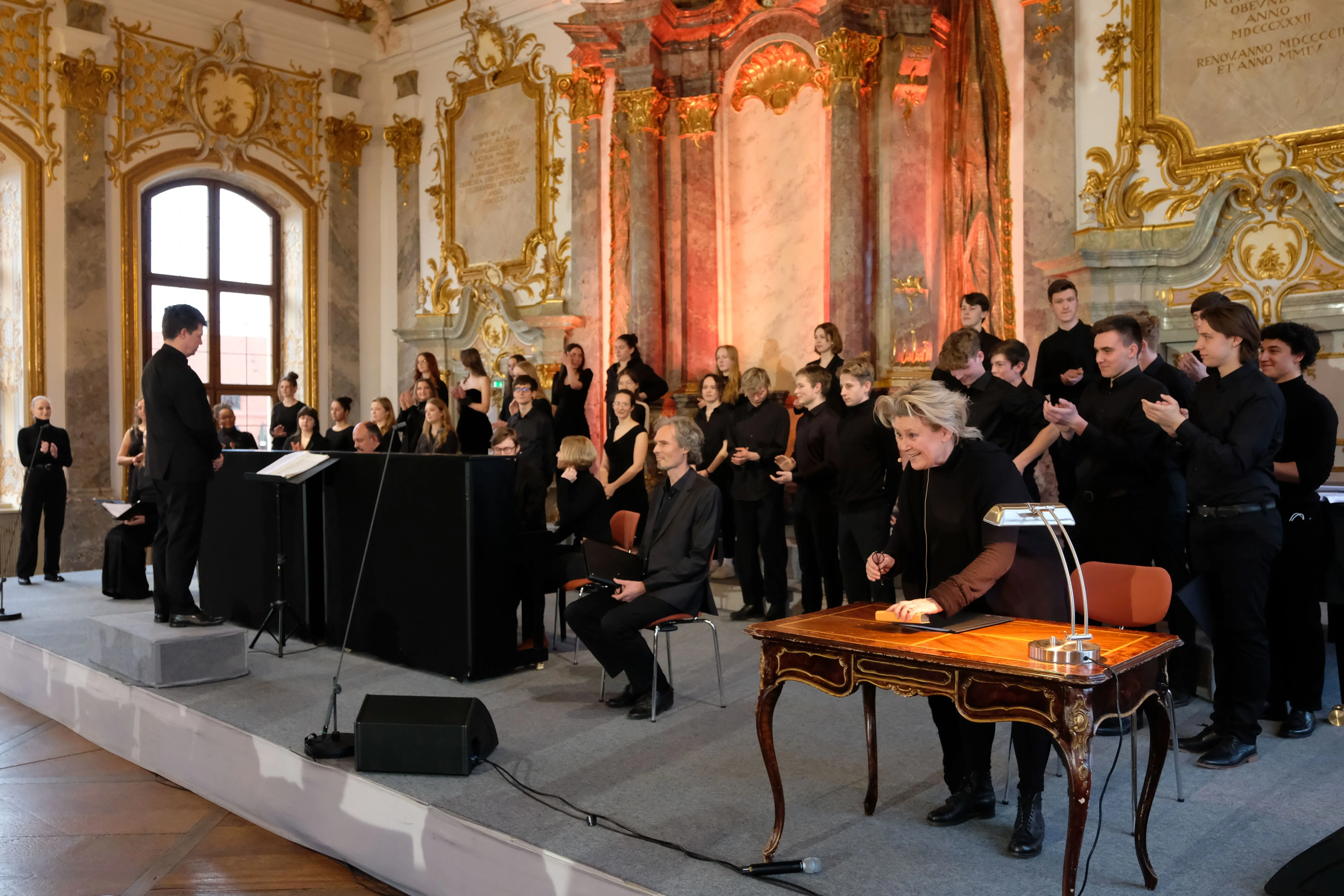
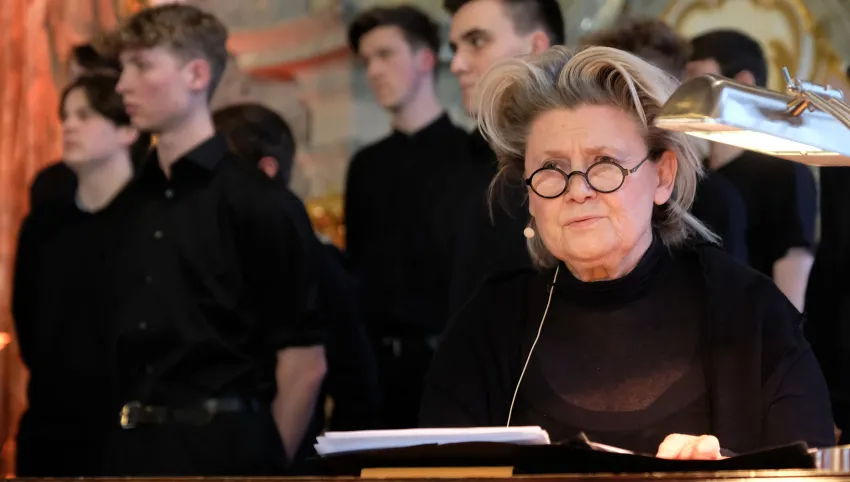
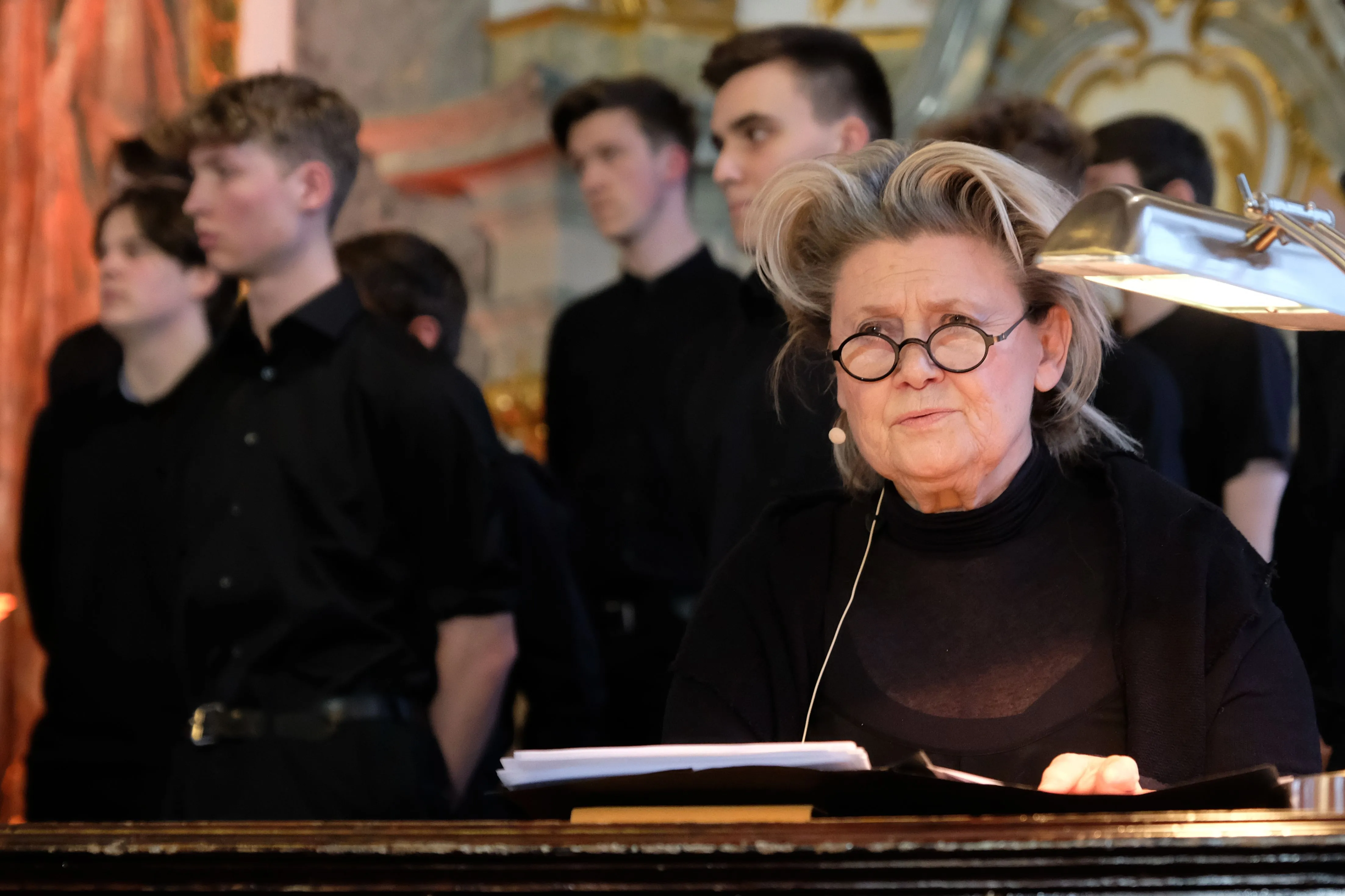
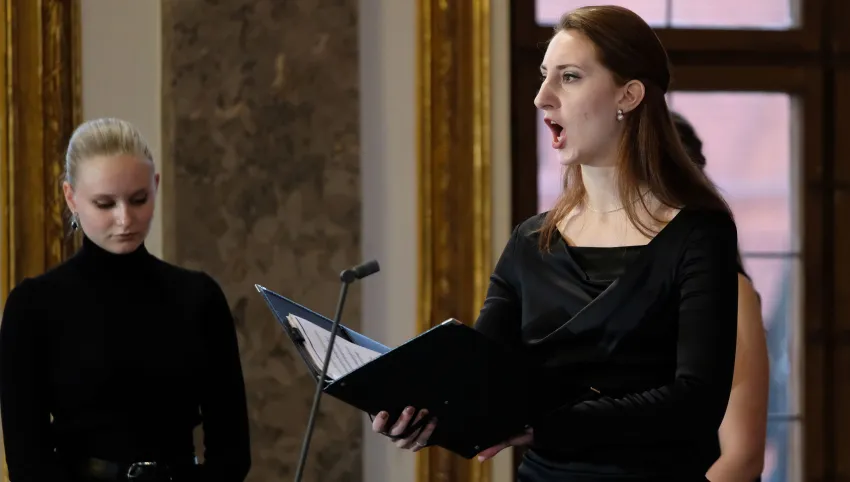
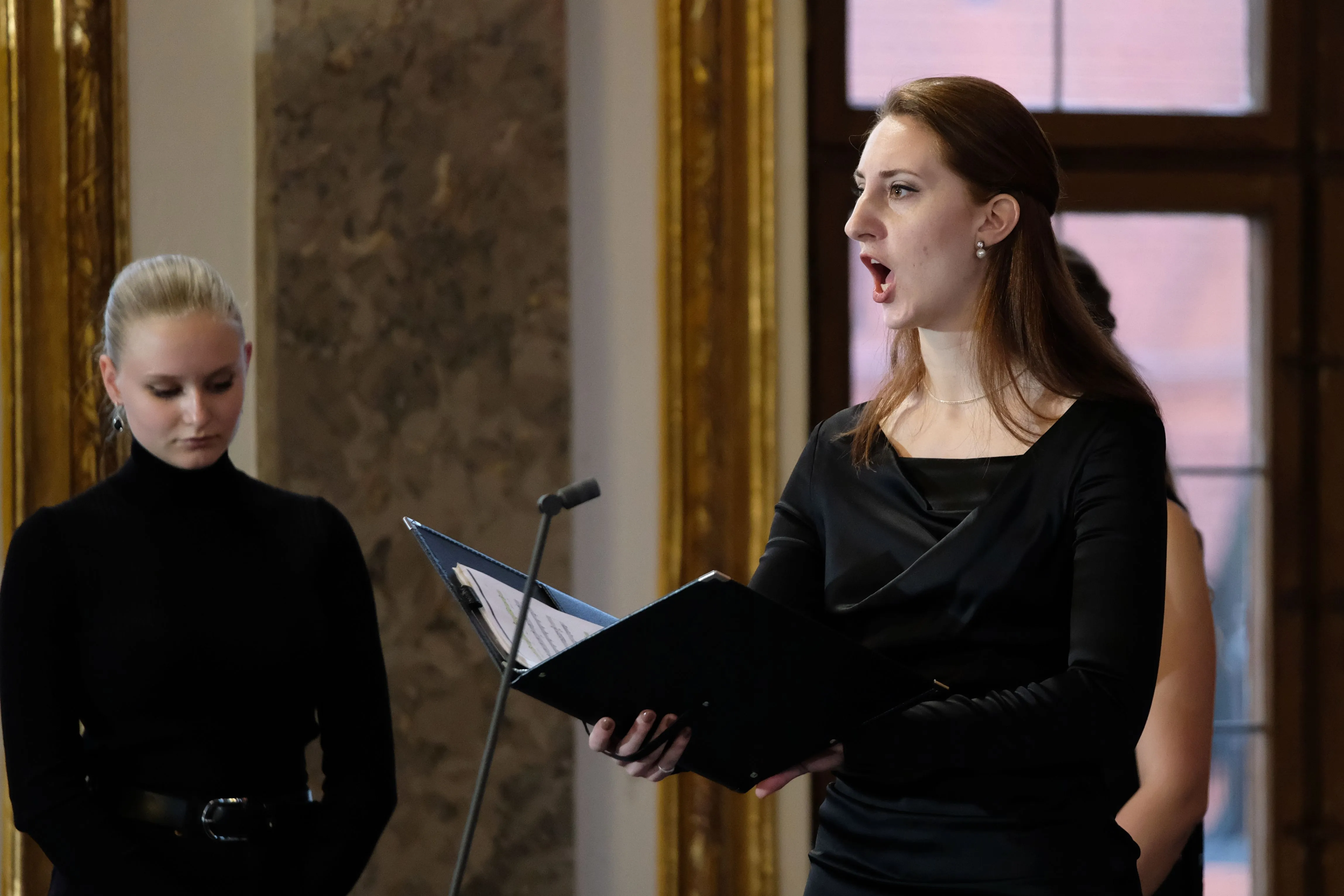
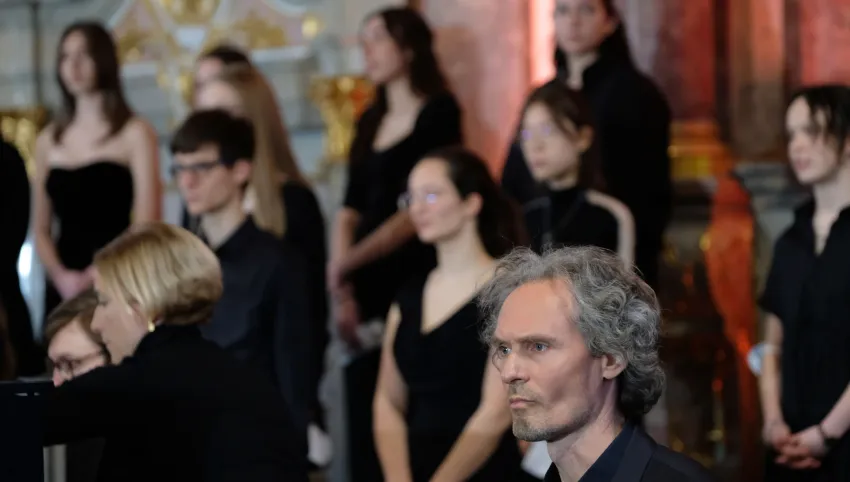
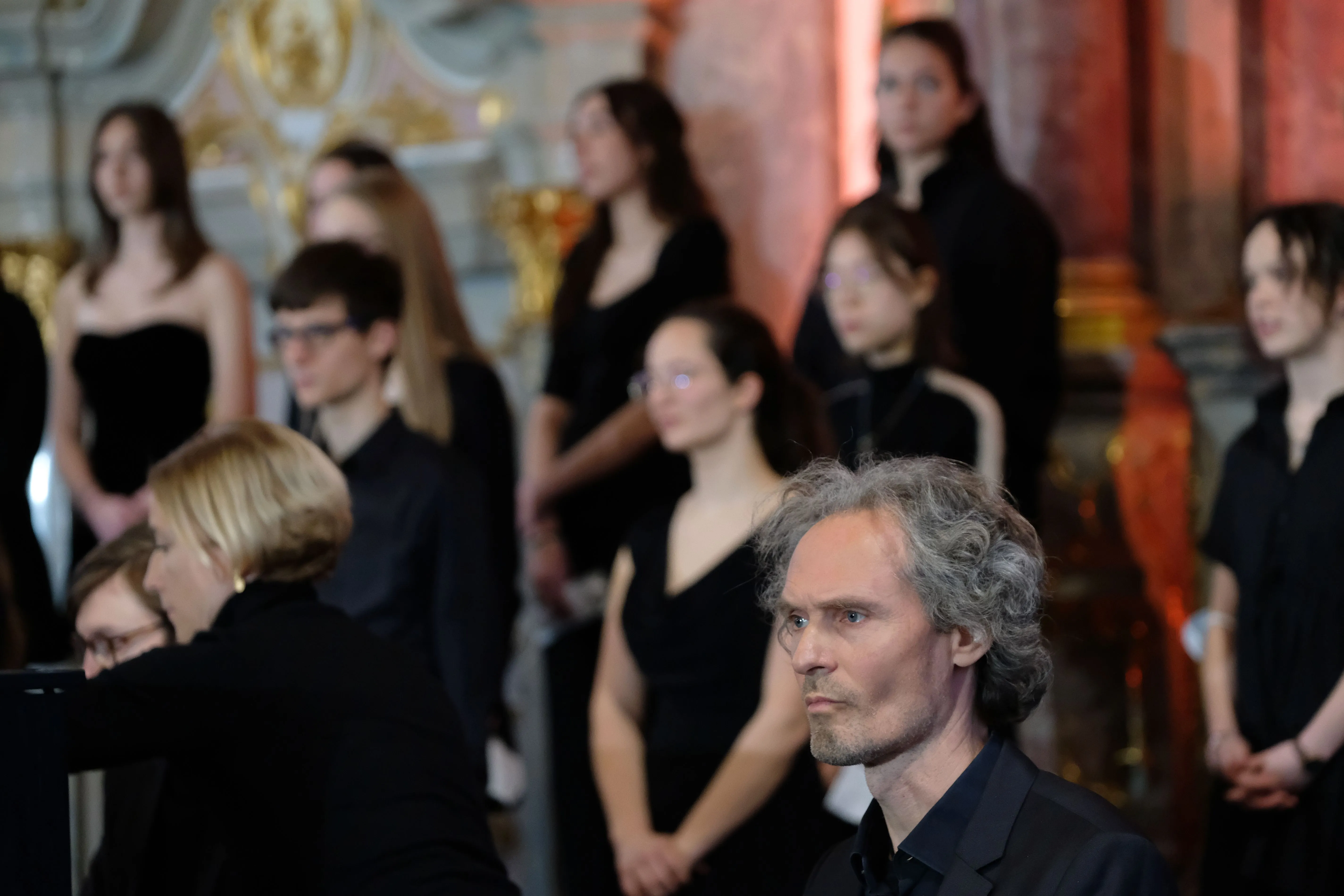
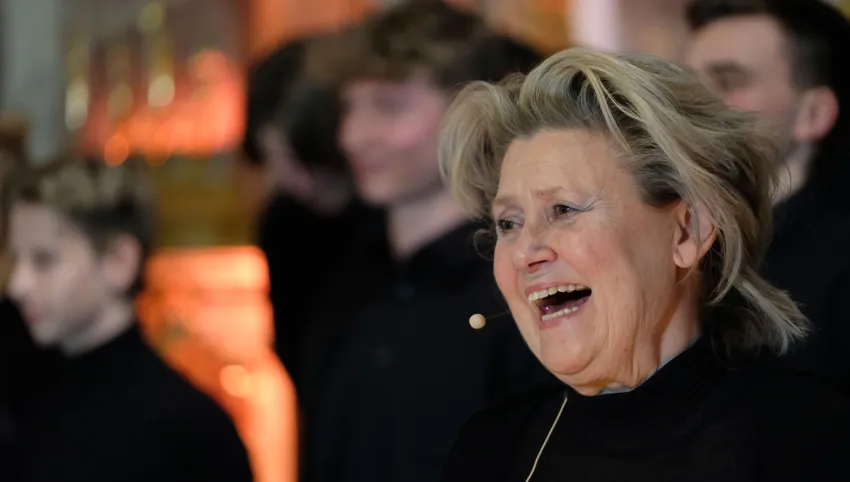
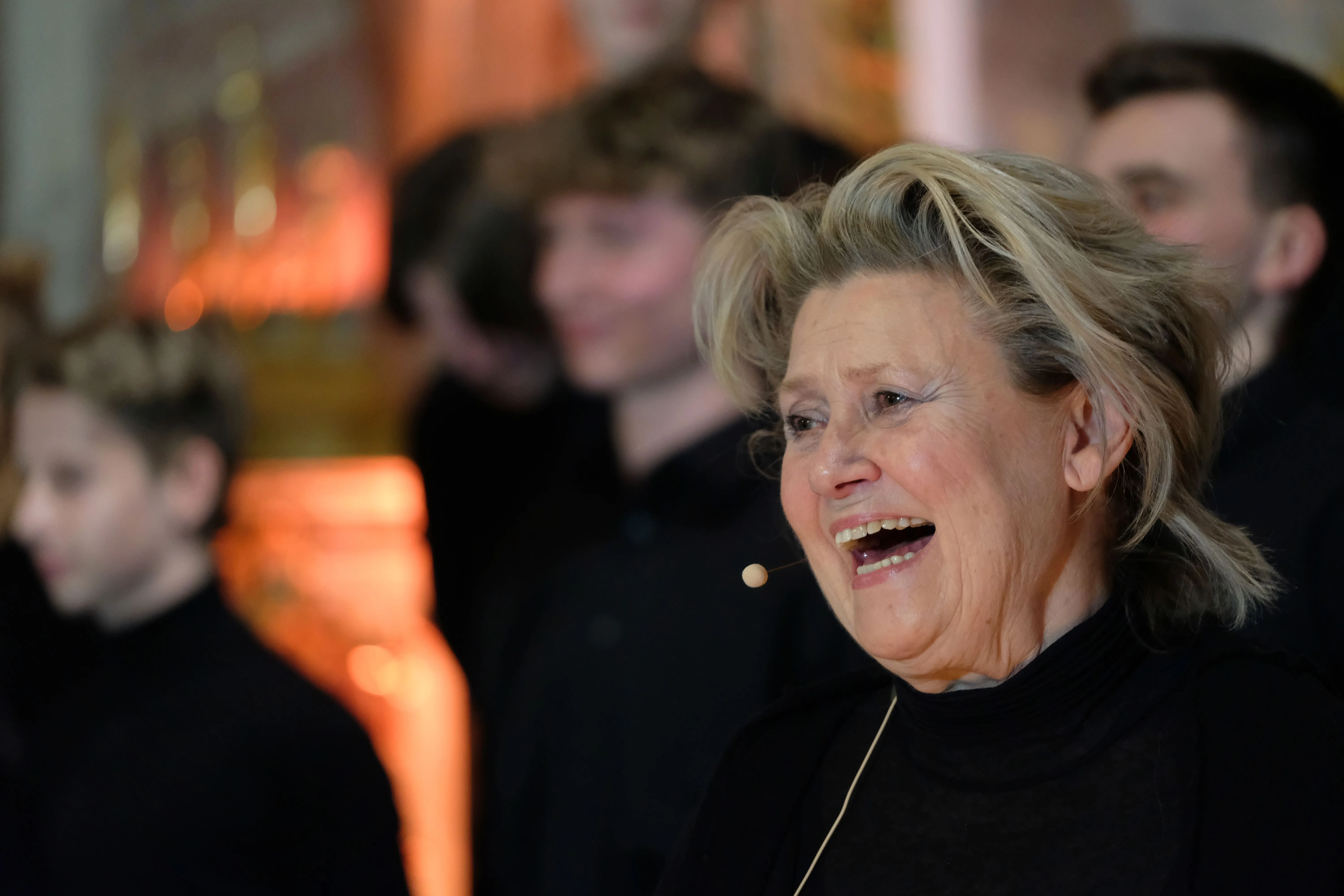
If the kopeck is missing, nothing can be done. Whatever a person does, it won't be enough. The situation can only get worse and there is no way forward. "The Mother" is the story of Pelagea Vlasova. Invented by Maxim Gorky, adapted by Bertolt Brecht. It is the portrait of a simple woman whose pragmatism makes her a revolutionary. Pelagea is a lawnmower mom: to keep her son out of politics, she risks her own life and loses him in the end.
Hanns Eisler writes music that is as gripping as it is rousing. Eisler focuses on agitation for the political cause in a generally understandable yet modern musical language for everyone. He remains attached to tonality, his rhythms and meters are alienated and veiled, but the march as the musical nucleus of the political movement almost always prevails. The overture is followed by Bach's musical topos of redemption in faith, the music of a mother who continues the work of her son after his martyrdom and thus becomes an idol for the masses.
Performance rights:
Suhrkamp Publishing House / Brecht Heirs
Hanns Eisler writes music that is as gripping as it is rousing. Eisler focuses on agitation for the political cause in a generally understandable yet modern musical language for everyone. He remains attached to tonality, his rhythms and meters are alienated and veiled, but the march as the musical nucleus of the political movement almost always prevails. The overture is followed by Bach's musical topos of redemption in faith, the music of a mother who continues the work of her son after his martyrdom and thus becomes an idol for the masses.
Performance rights:
Suhrkamp Publishing House / Brecht Heirs
Fabian Schreyer
Management
Soloists
Choir
Pianos
Small Golden Hall