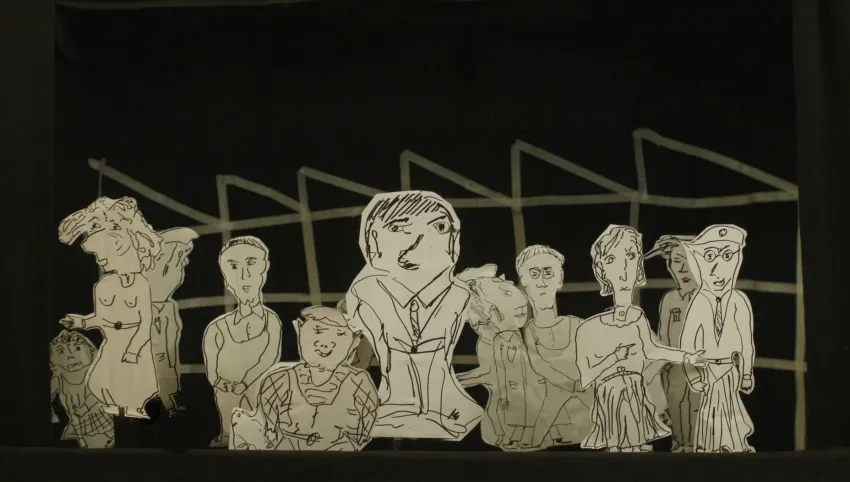


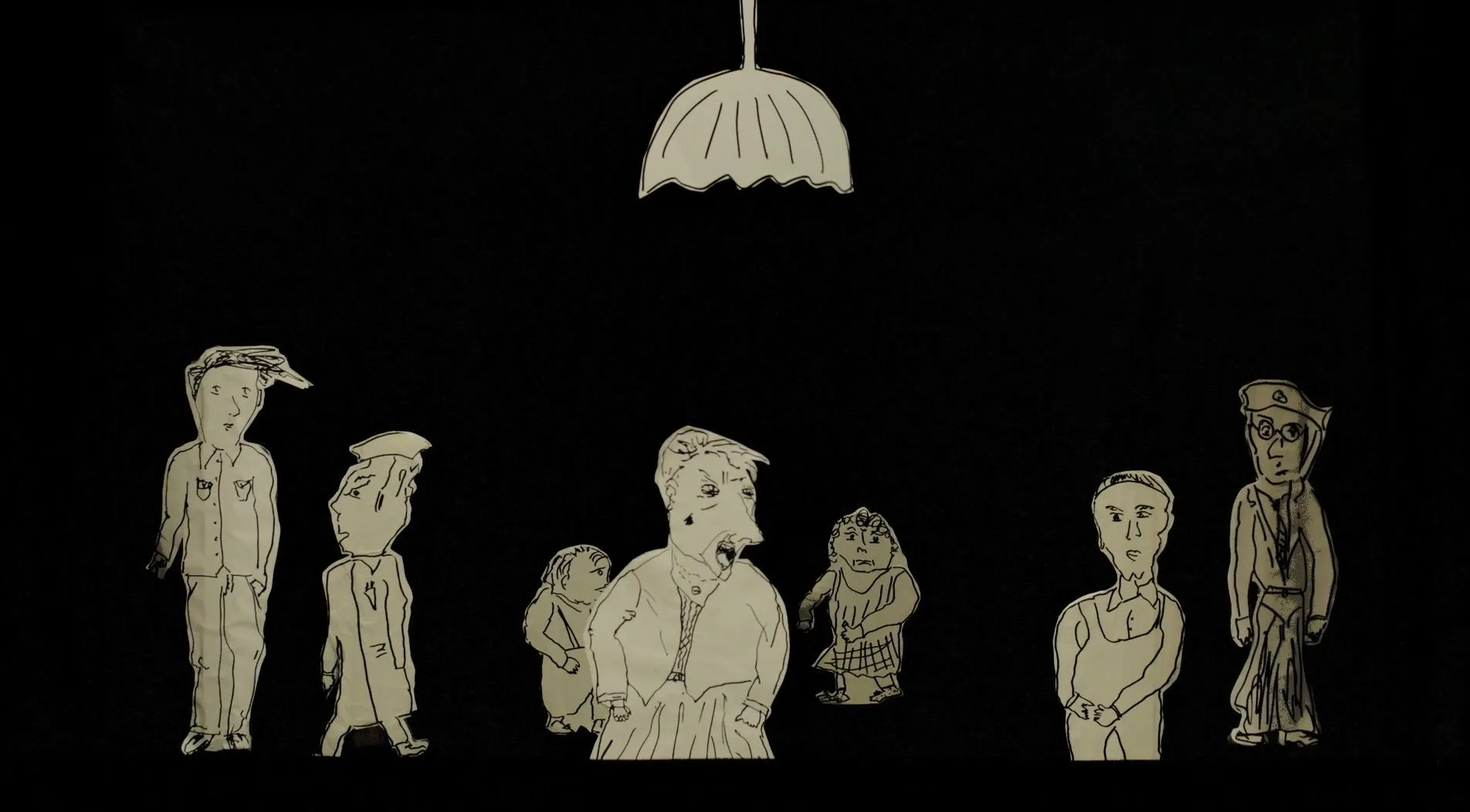
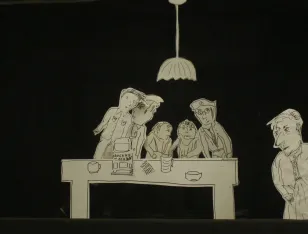
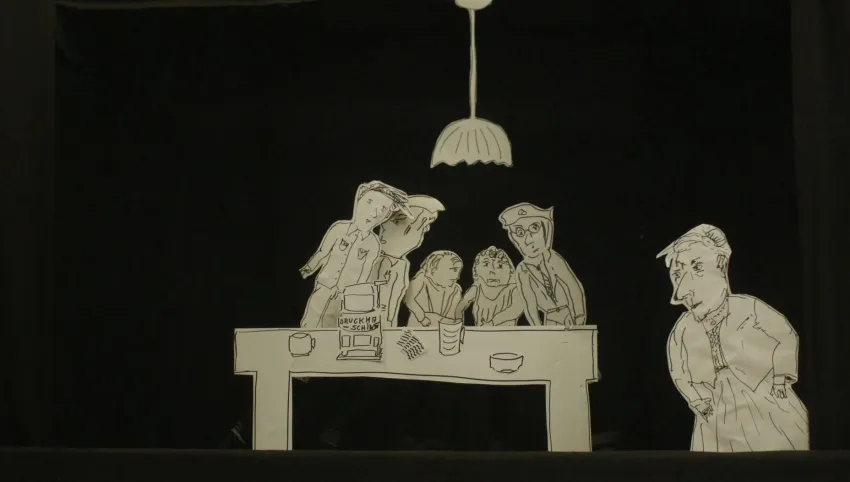
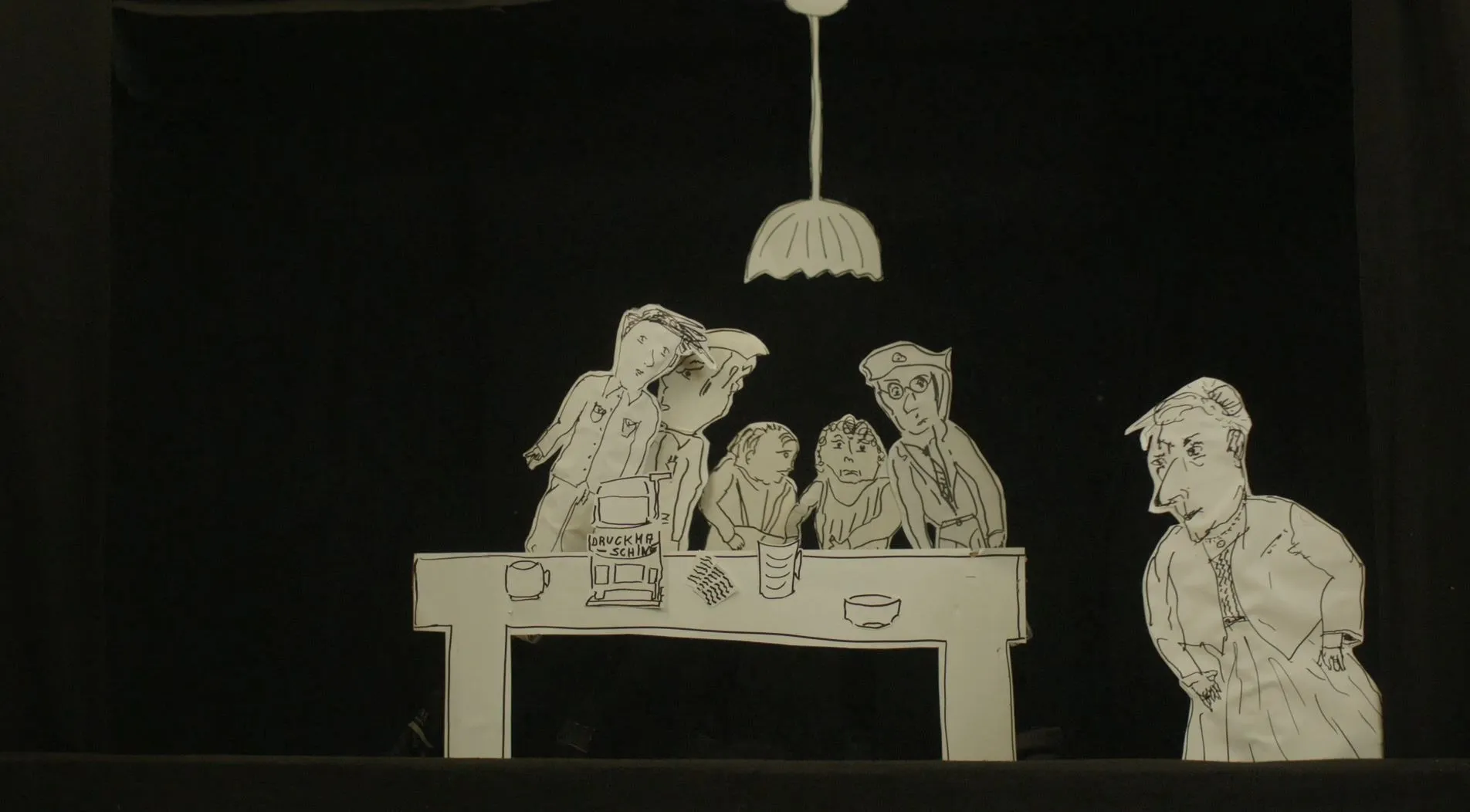


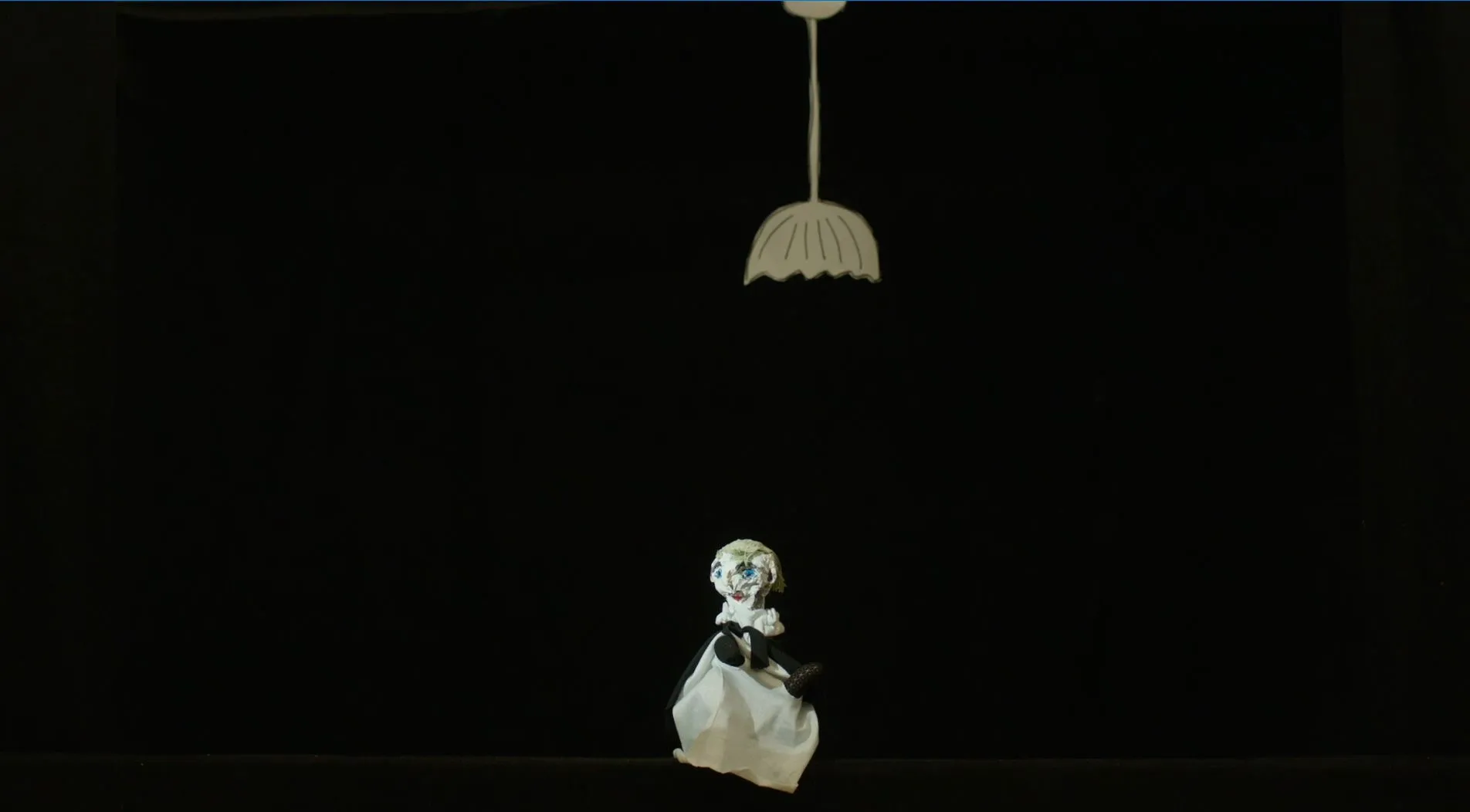
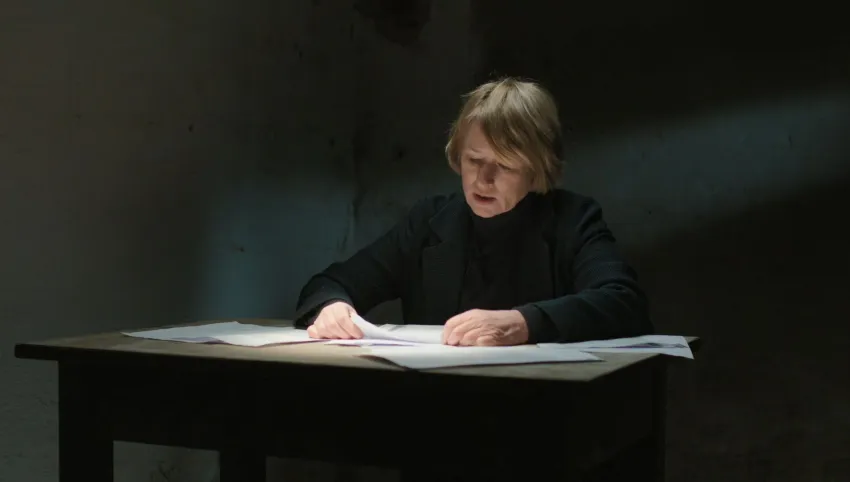
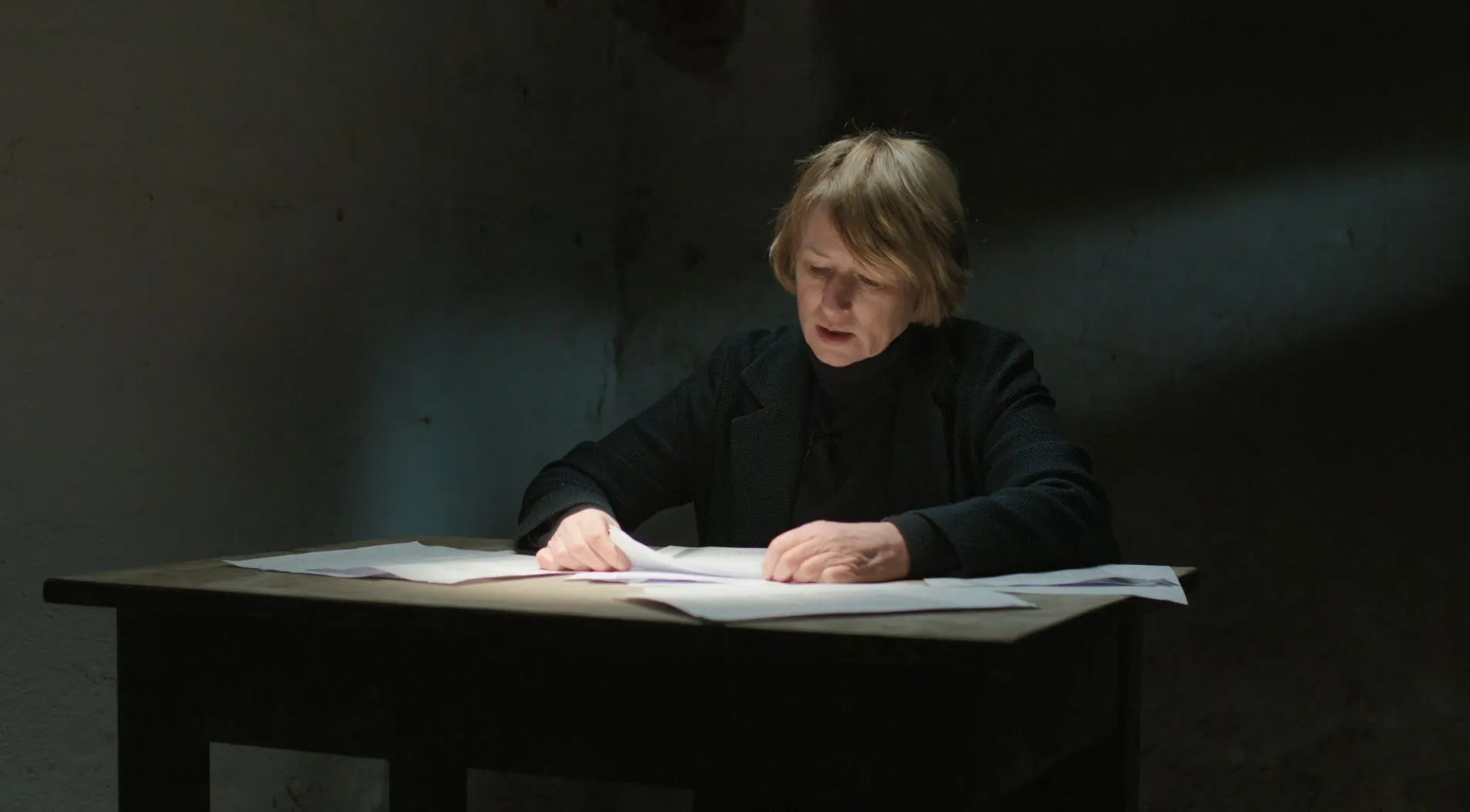
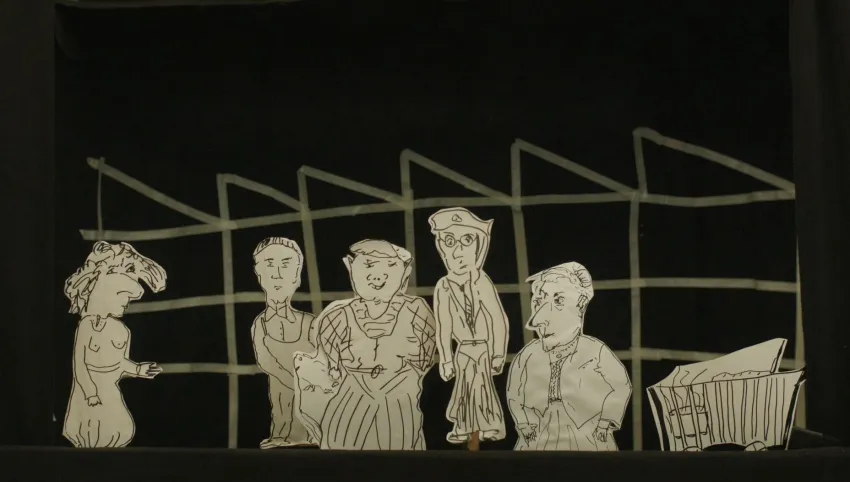
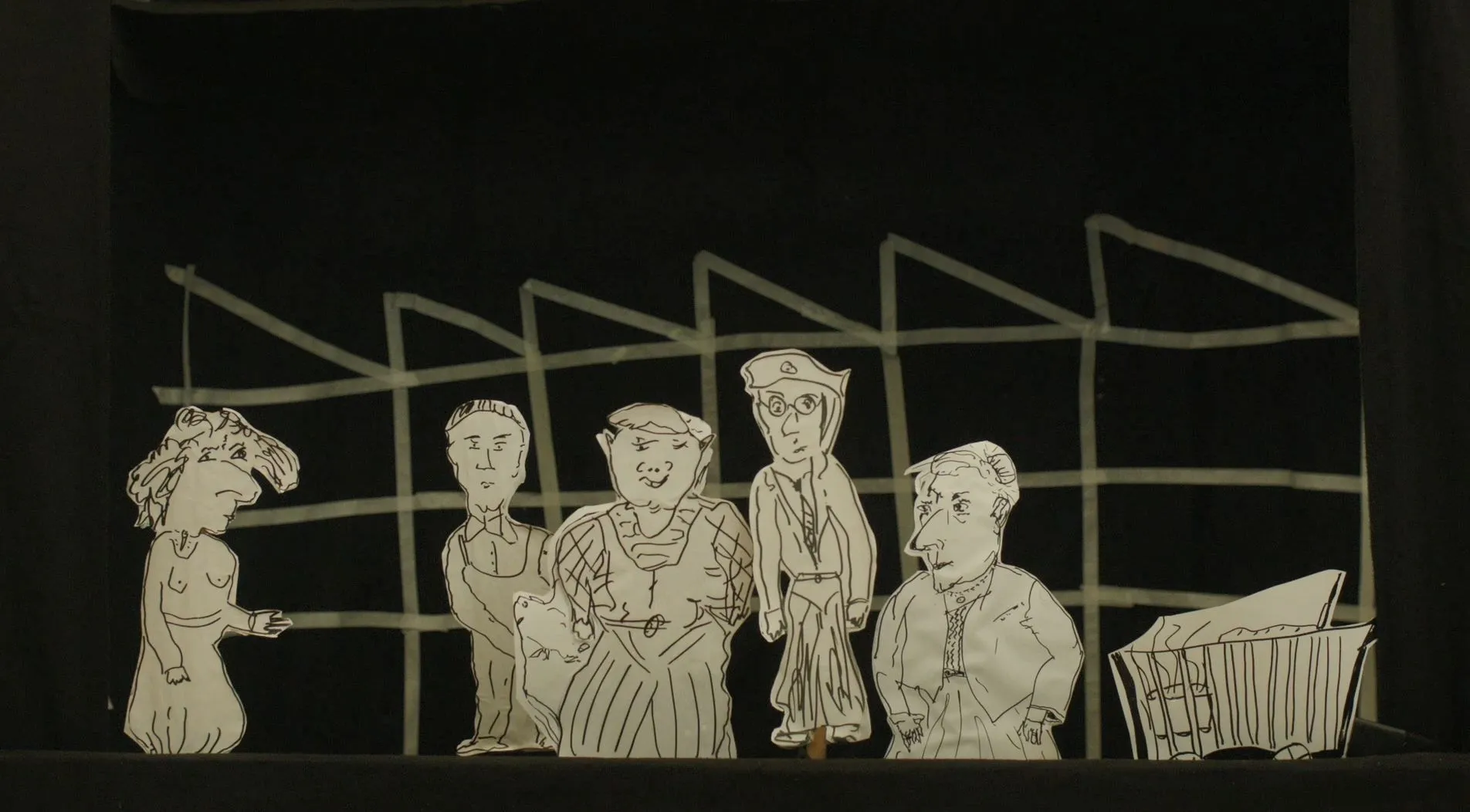
Corinna Harfouch interweaves scenes from Brecht's didactic play "The Mother" with the harrowing descriptions of everyday working life in the 1930s from the "Factory Diary" by Brecht's contemporary Simone Weil. Alternating between object theater and reading, any revolutionary pathos disappears. A complex picture is created with the simplest of means. Where Brecht succeeds in structurally showing the gradual emancipation of the mother of a socialist worker and the struggle against oppression, Simone Weil fills the gaps with true-to-life illustrations. Where Brecht focuses on the struggle for higher wages, the philosopher and social revolutionary Weil addresses the real conditions under which people work. Where Brecht sees the enemy in the owner of the factory, Weil does not conceal the complex problems of hierarchical work structures. At the same time, Weil speaks from the experience of a courageous activist who herself was employed as an unskilled worker in a factory for her research.
Idea, concept, play version: Corinna Harfouch
Direction: Corinna Harfouch, Hannah Dörr
Music: Hannes Gwisdek
Camera, lighting: Jesse Mazuch
Thanks to: Bo Anderl, Oscar Olivo, Suheer Saleh
With texts from Bertolt Brecht: "Die Mutter" (1933) and Simone Weil: "Fabriktagebuch" (1934) © Suhrkamp Verlag Berlin / Bertolt-Brecht-Erben
Special thanks to: Erdmut Wizisla
Photo: Arno Declair
A production of the Brechtfestival Augsburg
Press reviews:
"Even if the French philosopher, first a social revolutionary, then a mystic, may not be a reliable political advisor, the passages selected by Harfouch shed light where question marks appear in Brecht's work and give his main character Pelagea Vlasova a more nuanced female voice."
- Neues Deutschland, March 2, 2021
"Brecht's 'The Mother' meets the 'Factory Diary' written around the same time by the French philosopher Simone weil, who as a young woman explored the working world of the proletariat in a self-experiment. Here, Harfouch juxtaposes two positions of the class struggle, which she brings to an astonishingly modern point despite the simplicity of the narrative means and the historical distance of the analyses."
- Abendzeitung, 2.3.2021
Idea, concept, play version: Corinna Harfouch
Direction: Corinna Harfouch, Hannah Dörr
Music: Hannes Gwisdek
Camera, lighting: Jesse Mazuch
Thanks to: Bo Anderl, Oscar Olivo, Suheer Saleh
With texts from Bertolt Brecht: "Die Mutter" (1933) and Simone Weil: "Fabriktagebuch" (1934) © Suhrkamp Verlag Berlin / Bertolt-Brecht-Erben
Special thanks to: Erdmut Wizisla
Photo: Arno Declair
A production of the Brechtfestival Augsburg
Press reviews:
"Even if the French philosopher, first a social revolutionary, then a mystic, may not be a reliable political advisor, the passages selected by Harfouch shed light where question marks appear in Brecht's work and give his main character Pelagea Vlasova a more nuanced female voice."
- Neues Deutschland, March 2, 2021
"Brecht's 'The Mother' meets the 'Factory Diary' written around the same time by the French philosopher Simone weil, who as a young woman explored the working world of the proletariat in a self-experiment. Here, Harfouch juxtaposes two positions of the class struggle, which she brings to an astonishingly modern point despite the simplicity of the narrative means and the historical distance of the analyses."
- Abendzeitung, 2.3.2021
Idea, concept, play version
Direction
Music
Camera, light